


Type
Blood Testing
Duration
15 min
Results
24 hours
Sample
Blood (venous draw)
What's included
5 deliverables in this treatment
- Anti-Borrelia burgdorferi IgM — recent or active Lyme infection marker
- Anti-Borrelia burgdorferi IgG — past exposure and immunity marker
- Recombinant antigen-based serology (higher specificity than whole-cell assay)
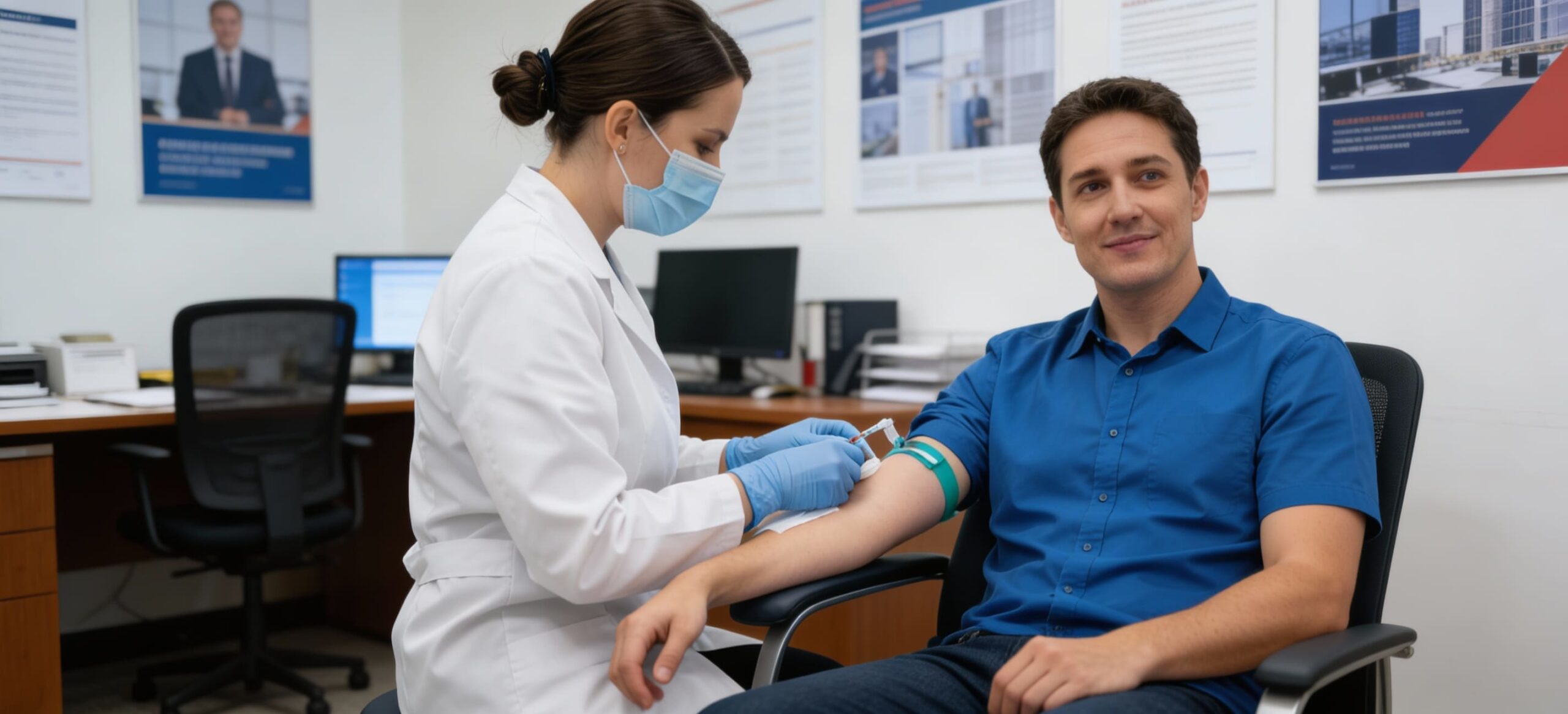
- Phlebotomy included
- Results by secure email next business day
IFCOR's Lyme Disease Antibody Screen detects both IgM and IgG antibodies against Borrelia burgdorferi — the bacterial pathogen transmitted by tick bites — using recombinant antigen-based serology. IgM antibodies appear 2–4 weeks after infection and indicate recent or active infection; IgG antibodies develop 4–8 weeks after infection and can persist for years, indicating past exposure. The Czech Republic is one of the highest-incidence Lyme disease regions in Europe due to its forested landscape and high Ixodes ricinus tick density, making this test a routine consideration after tick bites or unexplained flu-like symptoms, joint pain, or neurological symptoms in summer and autumn. Results are available the next business day without fasting.
About this treatment
Lyme borreliosis (Lyme disease) is the most common tick-borne disease in Europe and is endemic throughout the Czech Republic, particularly in lower-altitude forests, meadows, and river valleys. It is caused by the spirochaete bacterium Borrelia burgdorferi sensu lato — in Europe, multiple genospecies (B. afzelii, B. garinii, B. burgdorferi s.s.) cause different clinical manifestations. Early localised infection (days to weeks after a bite) presents as…
Good to know
- Markers
- Anti-Borrelia IgG + IgM (recombinant antigens)
- No fasting
- Required — convenient booking any time
- Turnaround
- Next business day
- Accreditation
- ISO 15189:2013 (ČIA M 8106)
Who is this for?
Anyone with a history of tick bite in the previous 4–12 weeks, or with unexplained fatigue, joint pains, facial palsy, or neurological symptoms in an endemic region — particularly relevant in the Vysočina Region's forested areas.
Preparation required
No fasting required. Note the date of any tick bite and report it to staff. Inform staff of any antibiotic treatment already started, as early antibiotics may blunt the antibody response.
About the clinic
Reviews, team and credentials
Independent review links and clinic-reported team information.
Clinical team
IFCOR was founded and is led by RNDr. František Flek, who established the original allergy and immunology laboratory in 1994. The network holds ISO 15189:2013 accreditation across five facilities (ČIA number M 8106) and participates in four external quality assurance programmes: SEKK, EHK SZÚ Prague, Instand, and ÚHKT. The Jihlava laboratory team covers nine specialist disciplines — clinical biochemistry,…
Clinic-reported credentials
Languages: Czech
Treatment highlights
- Anti-Borrelia burgdorferi IgM — recent or active Lyme infection marker
- Anti-Borrelia burgdorferi IgG — past exposure and immunity marker
+3 more items in What's included
783 Kč total (700 Kč test fee + 83 Kč blood draw). Measures both IgG and IgM antibodies against Borrelia burgdorferi recombinant antigens. Results next business day.