
Type
General Skin Treatment
Duration
20 min
What's included
5 deliverables in this treatment
- Dermoscopic assessment of growth before removal by MUDr. Závodská
- Local anaesthetic injection to the treatment area
- Laser ablation or surgical excision of confirmed benign growth
- Post-removal wound care and dressing
- Aftercare instructions including wound hygiene and sun protection
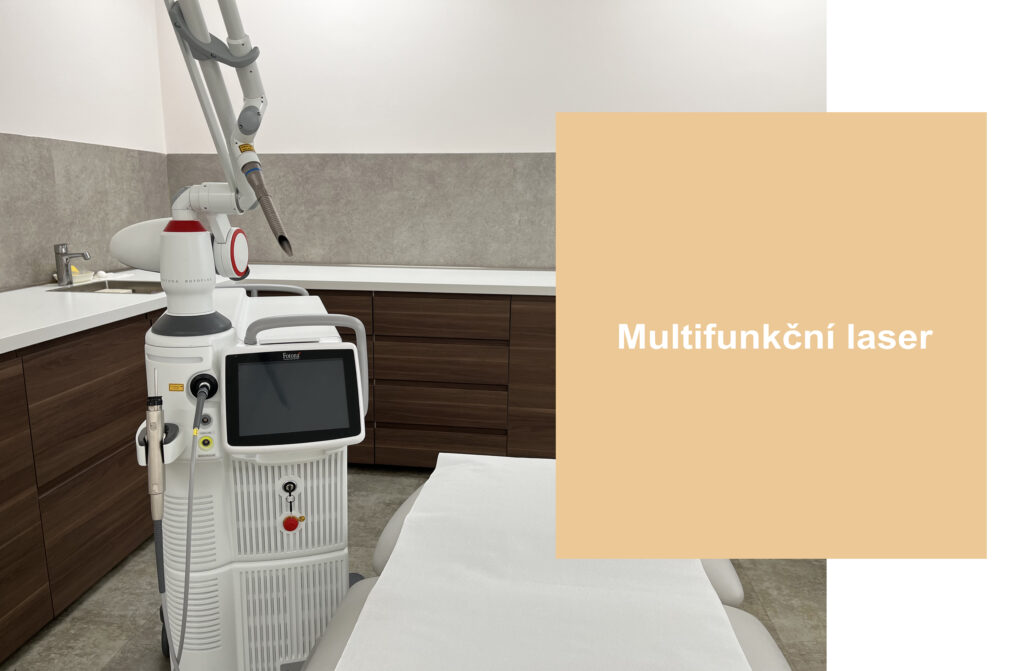
Removal of benign skin growths including skin tags, seborrheic keratoses, fibromas, dermal naevi and similar surface lesions using FOTONA 4D Er:YAG laser ablation or conventional surgical excision. MUDr. Helena Závodská determines the method based on lesion type, depth, size and location. Laser removal offers precise ablation with minimal surrounding damage and no sutures for superficial lesions; surgical excision is preferred for deeper or larger lesions and provides a specimen for histopathological analysis if indicated.
About this treatment
Benign skin growths — such as skin tags (acrochordons), seborrheic keratoses, dermatofibromas, syringomas, milia and small epidermal naevi — are extremely common and are driven by ageing, genetics, skin friction and mild chronic irritation. While medically benign, they may be cosmetically bothersome, catch on clothing or jewellery, or require clinical assessment to confirm their benign nature before removal.
At AE Derm MUDr. Helena Závodská assesses every growth clinically before deciding on removal method. A dermatoscopic examination is performed first: the dermoscope reveals the internal structure of the lesion, allowing distinction between truly benign growths and any that have features warranting diagnostic excision rather than simple ablation. Once confirmed benign, the removal method is chosen based on lesion characteristics.
Laser ablation with the FOTONA Er:YAG 2940 nm mode offers very precise, layer-by-layer removal of the lesion's tissue with controlled depth. Er:YAG's high water absorption means that each pulse removes a precise thickness of tissue with minimal thermal spread to the surrounding skin; the operator can stop at exactly the right depth, leaving a clean wound base that heals with minimal scarring. This technique is particularly suitable for flat, superficial…
Good to know
- Methods available
- Er:YAG laser ablation or surgical excision
- Pre-removal assessment
- Dermoscopy to confirm benign nature
- Histopathology
- Surgical excision provides specimen if needed
- Healing
- Crust separates at 10–14 days; full resolution 2–4 weeks
Who is this for?
Adults with cosmetically bothersome or irritating benign skin growths such as skin tags, seborrheic keratoses, small fibromas or milia who want physician assessment and precise removal
Preparation required
Arrive with clean skin. Inform the doctor of any blood-thinning medications (aspirin, ibuprofen, anticoagulants) — these may need to be paused. Do not apply make-up or self-tan to the area.
About the clinic
Reviews, team and credentials
Independent review links and clinic-reported team information.
19 clinic reviews
From independent platforms
Clinical team
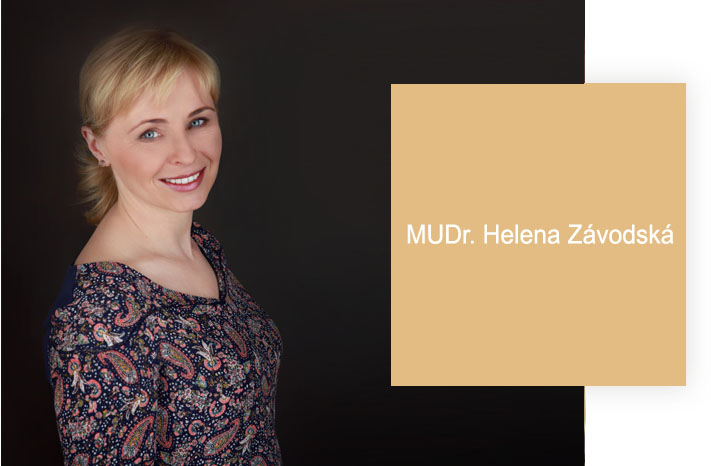
AE Derm is founded and led by MUDr. Helena Závodská, a dermatologist who graduated from the Medical Faculty of Charles University in Hradec Králové in 2003. After initial hospital work in Gynaecology-Obstetrics at Chrudim, she moved fully into Dermatovenerology, gaining practical experience at the Pardubice hospital Skin Department before establishing her own specialist outpatient practice. She holds active…
Languages: Czech
What clients say
"Always on time, no problems with appointments. The doctor is very professional and I felt confident throughout. — Josef Šoltes, Firmy.cz"
"Kind doctor, everything in order. The consultation was thorough and the treatment went smoothly. — Gabriela Švejdová, Firmy.cz"
Treatment highlights
- Dermoscopic assessment of growth before removal by MUDr. Závodská
- Local anaesthetic injection to the treatment area
+3 more items in What's included
From approximately 2,000 Kč per growth (market reference — confirm at consultation as pricing depends on size, number and method). Contact [email protected] for an individual assessment.