
Type
Microneedling
Duration
45 min
What's included
5 deliverables in this treatment
- Scar assessment and protocol selection by MUDr. Závodská
- Topical anaesthetic application before laser treatment
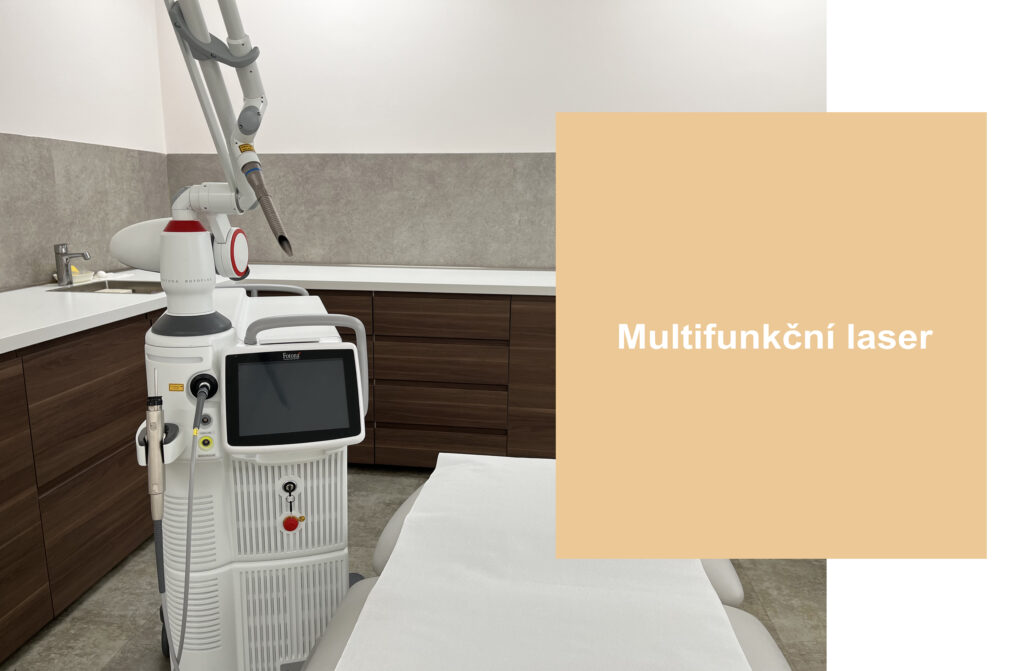
- FOTONA fractional Er:YAG laser treatment of scar zone
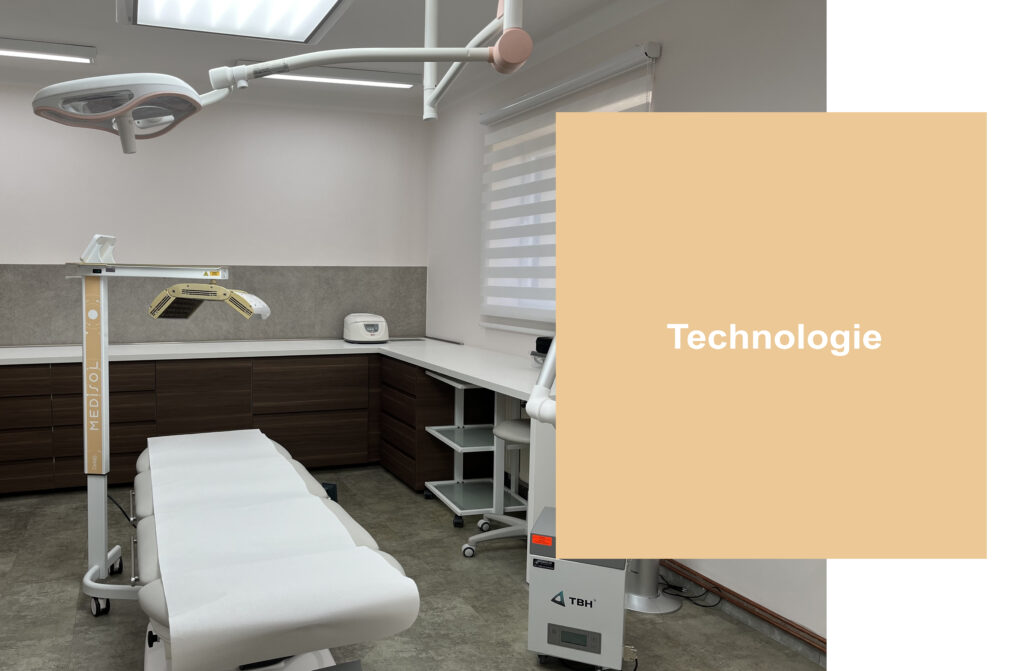
- LED phototherapy post-treatment for inflammation modulation and healing
- Aftercare instructions for the recovery period
Treatment of fresh and mature scars — including surgical, traumatic, acne and hypertrophic scars — using a combination of FOTONA 4D fractional laser and LED phototherapy. Fractional laser creates controlled micro-channels in the scar tissue that stimulate new collagen synthesis, gradually replacing abnormal scar collagen with more organised fibres and improving texture and colour. LED phototherapy modulates inflammation and accelerates healing between sessions. MUDr. Helena Závodská selects the protocol based on scar type, age and location.
About this treatment
Scars form when the wound healing process produces collagen in a disorganised pattern, resulting in tissue that differs from normal skin in texture, colour, elevation and elasticity. Different scar types require different approaches: atrophic scars (common in acne) are depressed below the surrounding skin surface due to collagen and tissue loss; hypertrophic scars are raised but confined to the original wound margin; keloids extend beyond the wound…
At AE Derm MUDr. Helena Závodská addresses scars using the fractional Er:YAG mode of the FOTONA 4D system. The fractional approach creates thousands of microscopic ablation channels through the epidermis and into the papillary and upper reticular dermis of the scar tissue; the heat and microtrauma at each channel boundary initiates a fresh wound-healing cascade, generating new, more normally organised collagen within the scar. The surrounding intact…
For fresh scars — within the first three to six months of formation, when the tissue is still remodelling — even conservative fractional treatment can significantly redirect healing. For established mature scars, typically several sessions spaced four to eight weeks apart are required to achieve meaningful textural and colour improvement; complete resolution is rarely achievable but substantial improvement is typical with consistent treatment.
Good to know
- Laser mode
- Fractional Er:YAG (FOTONA 4D)
- Adjunct
- LED phototherapy for healing support
- Scar types
- Acne, surgical, traumatic, hypertrophic, stretch marks
- Sessions
- Multiple — typically 3–6 depending on scar type and age
Who is this for?
Adults with acne scarring, surgical or traumatic scars, hypertrophic scars, or stretch marks seeking structured improvement through physician-supervised laser and phototherapy
Preparation required
Avoid sun exposure and self-tan for two weeks before each session. Inform the doctor of any recent steroid injections into the scar area. Use SPF 50+ during and after the treatment course.
About the clinic
Reviews, team and credentials
Independent review links and clinic-reported team information.
19 clinic reviews
From independent platforms
Clinical team
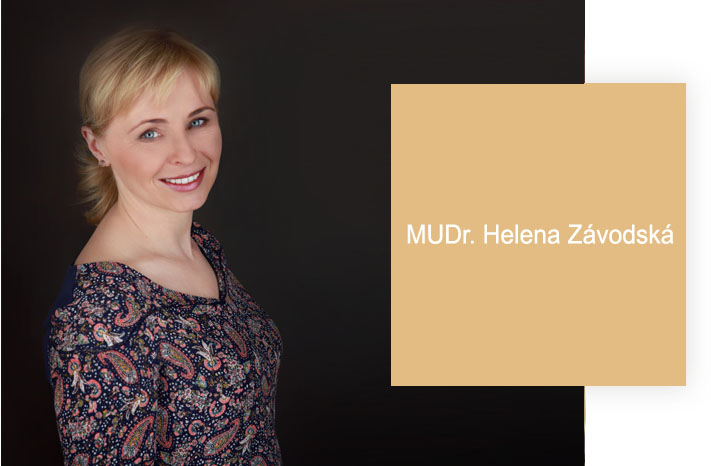
AE Derm is founded and led by MUDr. Helena Závodská, a dermatologist who graduated from the Medical Faculty of Charles University in Hradec Králové in 2003. After initial hospital work in Gynaecology-Obstetrics at Chrudim, she moved fully into Dermatovenerology, gaining practical experience at the Pardubice hospital Skin Department before establishing her own specialist outpatient practice. She holds active…
Languages: Czech
What clients say
"Always on time, no problems with appointments. The doctor is very professional and I felt confident throughout. — Josef Šoltes, Firmy.cz"
"Kind doctor, everything in order. The consultation was thorough and the treatment went smoothly. — Gabriela Švejdová, Firmy.cz"
Treatment highlights
- Scar assessment and protocol selection by MUDr. Závodská
- Topical anaesthetic application before laser treatment
+3 more items in What's included
From approximately 5,000 Kč per session (market reference for scar treatment combining laser and LED — confirm at consultation). Multiple sessions expected for established scars. Contact [email protected] for an individual assessment.