

Type
General Skin Treatment
Duration
30 min
What's included
5 deliverables in this treatment
- Full dermatoscopic examination of moles and lesions of concern by MUDr. Závodská
- Digital photo documentation with archival and lesion indexing
- ABCD criteria assessment and automated risk stratification
- Time-comparative analysis with previous visits if applicable
- Clinical recommendation and referral if any lesion warrants further action
Digital dermoscopy examination of moles, pigmented lesions and other skin changes using a dermatoscope with archival software. MUDr. Helena Závodská is a trained dermatologist who performs ABCD criteria assessment — evaluating Asymmetry, Border, Colour and Diameter/Dermoscopic structures — with risk stratification software. Photo documentation is stored for comparative analysis at follow-up visits, enabling detection of changes over time that would not be visible to the naked eye.
About this treatment
Dermoscopy (also called epiluminescence microscopy) is a non-invasive diagnostic technique that uses magnification and controlled illumination to visualise structures within the skin that are invisible to the unaided eye. A standard dermatoscope illuminates the skin surface while eliminating reflective glare, revealing pigment network patterns, vascular structures, regression areas and other dermoscopic criteria in melanocytic and non-melanocytic lesions.…
At AE Derm MUDr. Helena Závodská uses the digital dermatoscope with archival and comparative software. She applies the ABCD dermatoscopy rule systematically — Asymmetry of shape and structure, Border regularity and abruptness, Colour uniformity and number of distinct colours, and Dermoscopic structures including dots, globules, regression and vascular patterns. The software also performs automatic pattern recognition and provides a risk stratification…
For patients with multiple moles, a whole-body or targeted mapping can be performed in which all lesions of concern are documented and indexed. At follow-up visits — typically every six to twelve months for surveillance patients — the same lesions are re-imaged and compared side by side, allowing detection of even subtle change that would not be perceptible without baseline photos. This time-comparative analysis is the primary advantage of digital over…
Good to know
- Equipment
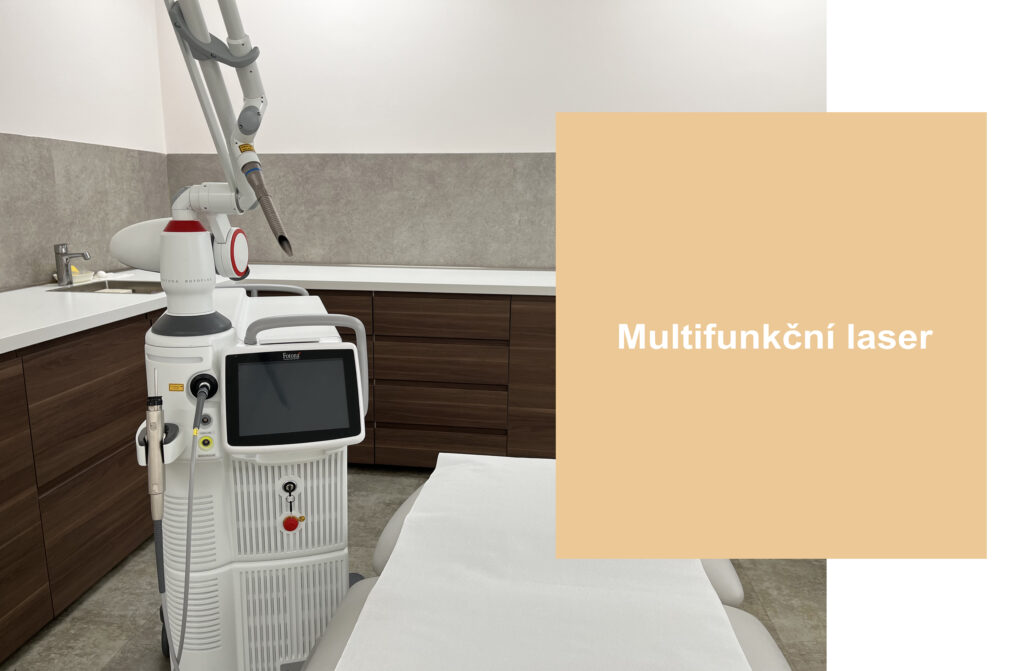
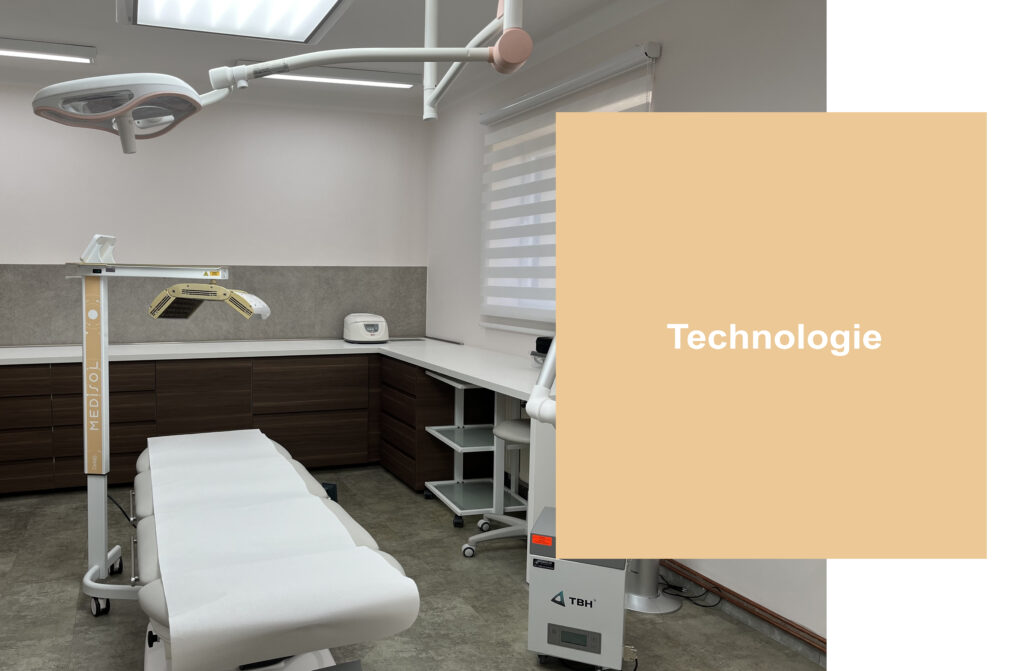
- Digital dermatoscope with archival software
- Assessment
- ABCD criteria + pattern recognition risk scoring
- Time comparison
- Yes — images stored and compared visit to visit
- Invasiveness
- None — entirely non-invasive
Who is this for?
Adults concerned about moles or skin changes; those with a history of melanoma, many atypical moles, significant sun exposure or family history of skin cancer; annual surveillance patients
Preparation required
Do not apply self-tan to examination areas for two weeks before. Arrive without body lotion or cream on the skin. Bring any previous dermoscopy reports or photos from other clinics if available.
About the clinic
Reviews, team and credentials
Independent review links and clinic-reported team information.
19 clinic reviews
From independent platforms
Clinical team
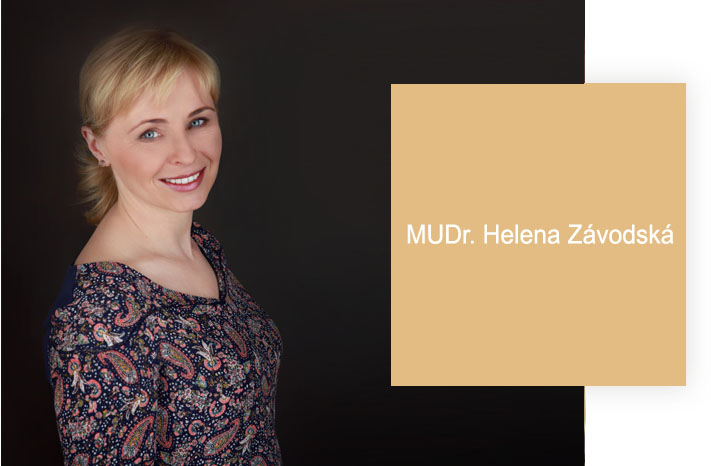
AE Derm is founded and led by MUDr. Helena Závodská, a dermatologist who graduated from the Medical Faculty of Charles University in Hradec Králové in 2003. After initial hospital work in Gynaecology-Obstetrics at Chrudim, she moved fully into Dermatovenerology, gaining practical experience at the Pardubice hospital Skin Department before establishing her own specialist outpatient practice. She holds active…
Languages: Czech
What clients say
"Always on time, no problems with appointments. The doctor is very professional and I felt confident throughout. — Josef Šoltes, Firmy.cz"
"Kind doctor, everything in order. The consultation was thorough and the treatment went smoothly. — Gabriela Švejdová, Firmy.cz"
Treatment highlights
- Full dermatoscopic examination of moles and lesions of concern by MUDr. Závodská
- Digital photo documentation with archival and lesion indexing
+3 more items in What's included
From approximately 1,000 Kč per examination (market reference for digital dermoscopy — confirm at consultation). Includes photo documentation and ABCD risk assessment. Contact [email protected] or call +420 775 447 395.