
Type
General Skin Treatment
Duration
20 min
What's included
4 deliverables in this treatment
- Assessment of condition and wavelength protocol selection
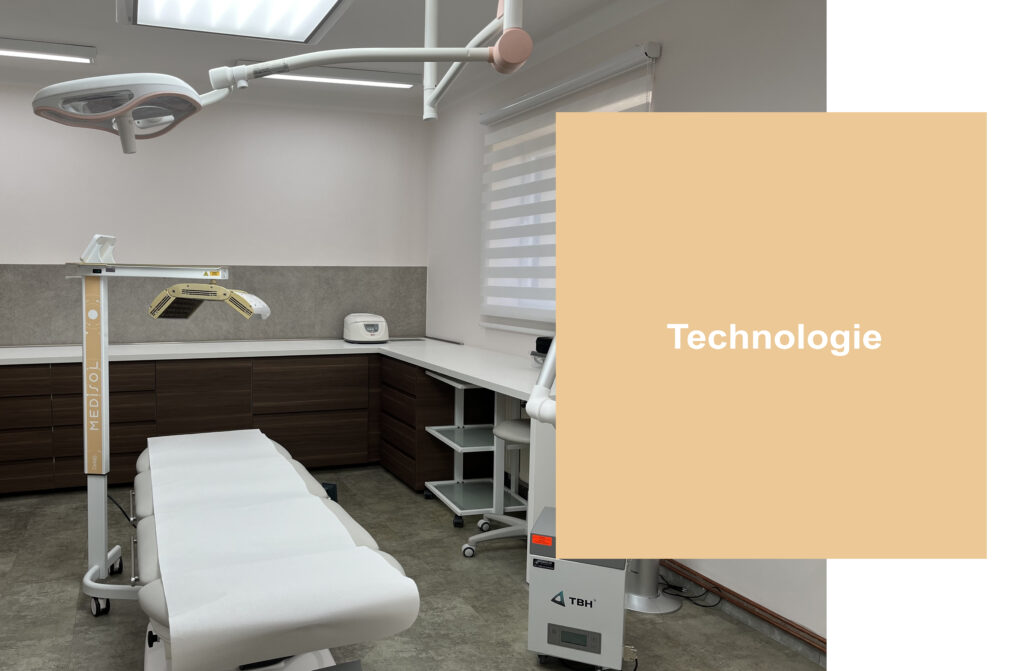
- LED phototherapy session under clinic lamp (15–20 minutes)
- Photosensitising agent application if PDT indicated
- Post-treatment skin care guidance
LED phototherapy uses specific wavelengths of light to stimulate cellular processes in the skin without heat or UV exposure. At AE Derm the LED lamp delivers anti-aging photomodulation (photobiomodulation), photodynamic therapy adjunct, post-procedure wound healing acceleration, scar and stretch mark reduction, anti-inflammatory treatment for acne and cold sores, and scalp stimulation for hair growth. The treatment is painless, requires no recovery and can be combined with other procedures on the same day.
About this treatment
Photobiomodulation (PBM) is the therapeutic use of low-level light to modulate cellular function without causing thermal damage. Unlike lasers, which deliver coherent, high-intensity energy for tissue ablation or coagulation, LED devices emit lower-intensity non-coherent light at specific wavelengths that are absorbed by chromophores in mitochondrial and cellular membranes, triggering biochemical cascades that influence energy production, inflammation,…
The primary cellular mechanism involves cytochrome c oxidase — the terminal enzyme in the mitochondrial electron transport chain — which absorbs red and near-infrared light, enhancing ATP synthesis and reducing oxidative stress. This increased cellular energy production and reduced reactive oxygen species accelerate the natural processes of repair and renewal. Blue wavelength LED (around 415 nm) has anti-bacterial action against Propionibacterium acnes,…
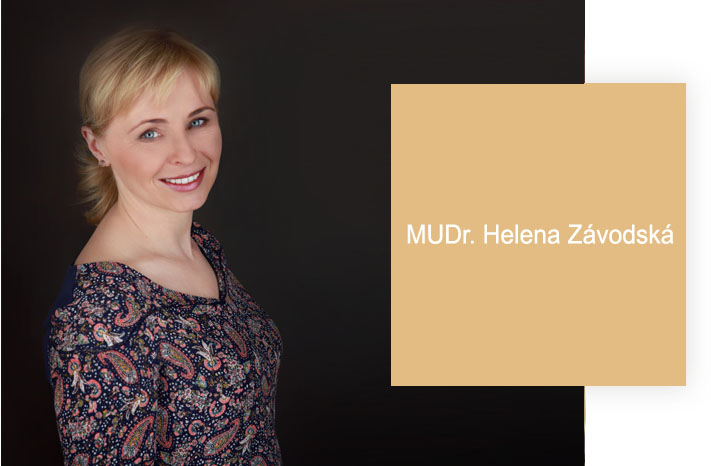
At AE Derm MUDr. Helena Závodská uses LED phototherapy across multiple clinical applications. For anti-aging, PBM sessions stimulate new collagen and elastin, improving skin firmness and radiance over a series of treatments — typically used as a stand-alone course or to complement laser or injectable sessions. For photodynamic therapy (PDT), a photosensitising agent is applied before the LED session, creating an amplified anti-acne or lesion-targeting…
Good to know
- Mechanism
- Photobiomodulation — non-thermal light stimulation
- Wavelengths
- Blue (anti-acne), Red (collagen), Near-infrared (healing)
- Downtime
- None
- Combinable
- Yes — frequently used after laser and peel
Who is this for?
Adults seeking non-invasive anti-aging, post-procedure healing support, acne inflammation reduction, scar improvement or scalp stimulation; suitable for all skin types
Preparation required
Arrive with clean skin. Inform doctor of any photosensitising medications. No sun exposure immediately before or after PDT sessions.
About the clinic
Reviews, team and credentials
Independent review links and clinic-reported team information.
19 clinic reviews
From independent platforms
Clinical team
AE Derm is founded and led by MUDr. Helena Závodská, a dermatologist who graduated from the Medical Faculty of Charles University in Hradec Králové in 2003. After initial hospital work in Gynaecology-Obstetrics at Chrudim, she moved fully into Dermatovenerology, gaining practical experience at the Pardubice hospital Skin Department before establishing her own specialist outpatient practice. She holds active…
Languages: Czech
What clients say
"Always on time, no problems with appointments. The doctor is very professional and I felt confident throughout. — Josef Šoltes, Firmy.cz"
"Kind doctor, everything in order. The consultation was thorough and the treatment went smoothly. — Gabriela Švejdová, Firmy.cz"
Treatment highlights
- Assessment of condition and wavelength protocol selection
- LED phototherapy session under clinic lamp (15–20 minutes)
+2 more items in What's included
From approximately 1,500 Kč per session (market reference for LED phototherapy — confirm at consultation). Multiple sessions per course for most indications. Contact [email protected] for details.