

Type
Chemical Peels
Duration
30 min
What's included
4 deliverables in this treatment
- Skin type assessment and peel formulation selection by MUDr. Závodská
- Skin preparation and peel application including timing and neutralisation
- Immediate post-peel soothing treatment
- Written aftercare instructions including SPF and product restrictions
Physician-supervised chemical peeling to exfoliate and resurface the skin by applying an acid solution that induces controlled shedding of the outer skin layers, revealing fresher, smoother skin beneath. At AE Derm the peel type and concentration are selected by MUDr. Helena Závodská based on skin type, Fitzpatrick scale classification and the condition being treated — ranging from superficial glycolic peels for general brightening and maintenance to medium-depth peels for acne scarring, melasma and pronounced photoaging.
About this treatment
Chemical peeling works by disrupting the adhesion between corneocytes in the outermost skin layers — the stratum corneum and superficial epidermis — causing controlled exfoliation. The depth of action depends on the acid type, its concentration, pH and the time of application: superficial peels (glycolic acid at lower concentrations, mandelic acid, lactic acid) affect only the stratum corneum and granular layer, producing a fresh glow and minor brightness…
At AE Derm MUDr. Helena Závodská selects the peel formulation based on a thorough skin assessment covering Fitzpatrick phototype, the presence of active acne or rosacea, any prior chemical or laser treatments, and the patient's downtime tolerance. Superficial peels cause mild tingling and temporary redness; flaking begins two to three days after the session and is complete within a week. Medium peels may cause frosting (blanching of the skin surface)…
Combination with other modalities at AE Derm is common: chemical peels can be scheduled alternately with LED phototherapy sessions for acne, or used as a preparatory step before laser treatment to reduce pigmentation load and improve subsequent laser efficacy. For maintenance skin health and ongoing brightening, monthly superficial peels are a frequent approach, particularly for patients managing acne, hyperpigmentation or early photoaging.
Good to know
- Peel depth
- Superficial to medium — selected at consultation
- Conditions treated
- Acne, pigmentation, photoaging, uneven texture
- Downtime
- 3–10 days depending on depth
- Performed by
- MUDr. Helena Závodská — physician supervision
Who is this for?
Adults seeking skin brightening, acne management, pigmentation improvement or accelerated cell renewal; suitable for most skin types when correctly selected
Preparation required
Avoid retinoids, prescription acids and exfoliants for one week before. Do not treat during or shortly after significant sun exposure. Prophylactic antiviral medication if history of cold sores — discuss with doctor.
About the clinic
Reviews, team and credentials
Independent review links and clinic-reported team information.
19 clinic reviews
From independent platforms
Clinical team
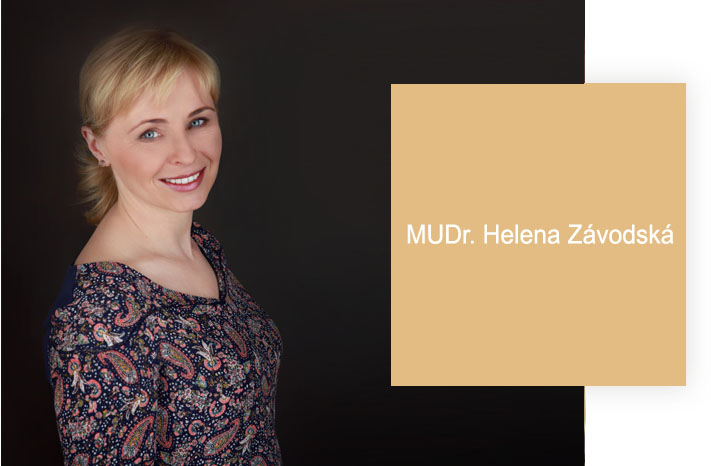
AE Derm is founded and led by MUDr. Helena Závodská, a dermatologist who graduated from the Medical Faculty of Charles University in Hradec Králové in 2003. After initial hospital work in Gynaecology-Obstetrics at Chrudim, she moved fully into Dermatovenerology, gaining practical experience at the Pardubice hospital Skin Department before establishing her own specialist outpatient practice. She holds active…
Languages: Czech
What clients say
"Always on time, no problems with appointments. The doctor is very professional and I felt confident throughout. — Josef Šoltes, Firmy.cz"
"Kind doctor, everything in order. The consultation was thorough and the treatment went smoothly. — Gabriela Švejdová, Firmy.cz"
Treatment highlights
- Skin type assessment and peel formulation selection by MUDr. Závodská
- Skin preparation and peel application including timing and neutralisation
+2 more items in What's included
From approximately 2,500 Kč per session (market reference for physician-supervised chemical peel — confirm at consultation). Peel type and strength selected at assessment. Multiple sessions recommended for acne scarring or chronic pigmentation. Contact [email protected] for details.