


Type
Mesotherapy
Duration
45 min
What's included
4 deliverables in this treatment
- Topical anaesthetic application before procedure
- PDRN polynucleotide microinjections into the dermis
- Post-treatment guidance and course scheduling
- Physician skin assessment to map injection points
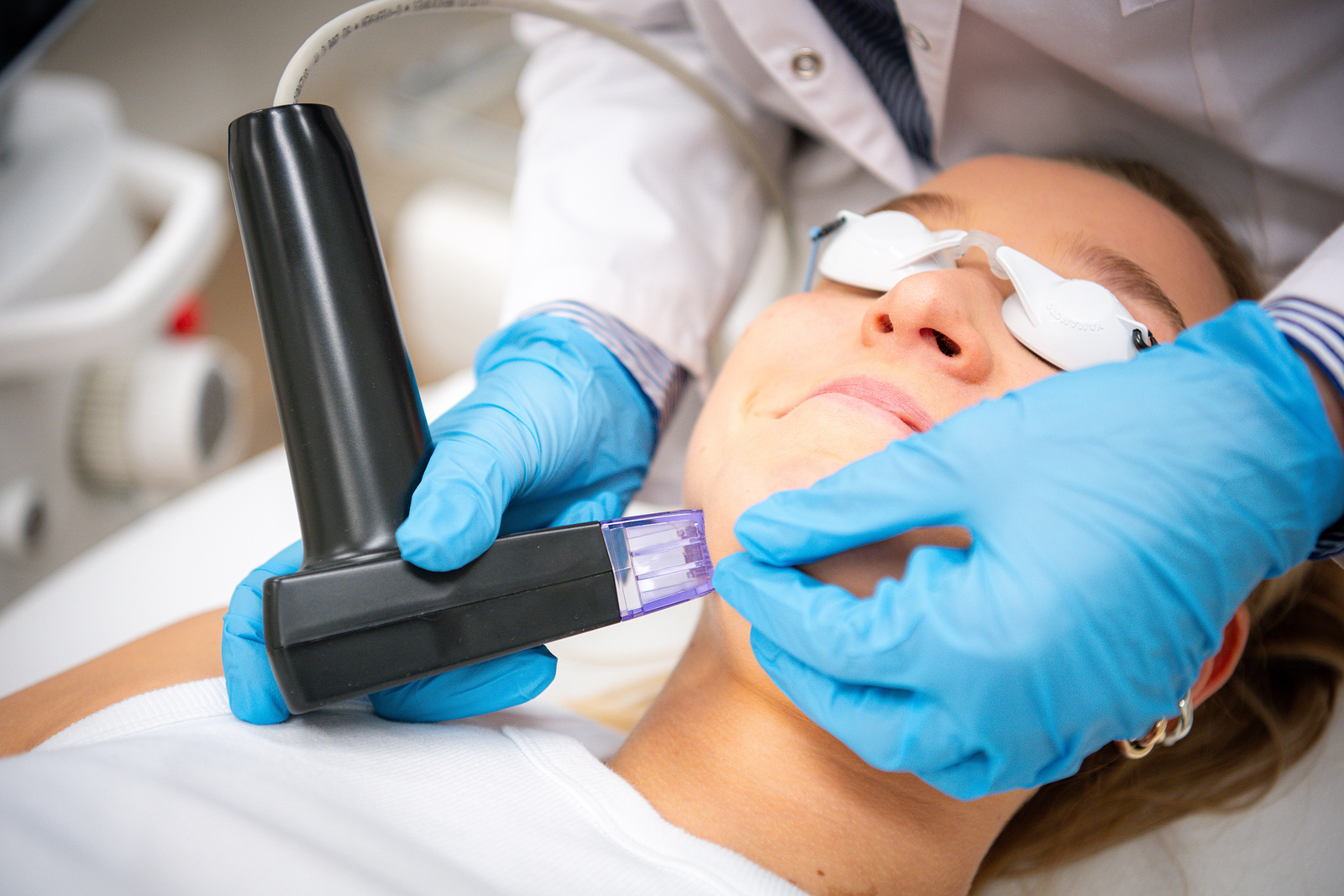
Polynucleotide (PDRN) therapy involves injecting highly purified DNA fragments — derived from salmon sperm — into the dermis to trigger the skin's own repair and collagen synthesis pathways. At Skinderm Ostrava, topical anaesthetic is applied before fine needles deposit the PDRN solution at multiple intradermal points across the face, neck, or décolletage. The treatment stimulates fibroblasts to produce new collagen and elastin, and activates the A2A adenosine receptor pathway, which accelerates tissue repair and reduces inflammation. Results build cumulatively across 3–4 sessions.
About this treatment
PDRN (polydeoxyribonucleotide) is extracted from the sperm of Oncorhynchus mykiss (rainbow trout) through a highly controlled purification process that removes proteins responsible for allergic reactions, leaving only the DNA backbone chains. When injected into the dermis, these polynucleotide fragments bind to adenosine A2A receptors on fibroblasts and endothelial cells. This receptor activation simultaneously triggers collagen and elastin gene…
At Skinderm, each session begins with the application of a topical anaesthetic cream for 20–30 minutes to ensure patient comfort. The treating physician then makes a series of intradermal microinjections across the mapped treatment area — typically the full face, neck, and décolletage, or targeted zones such as around the eyes or across scarred tissue. Sessions take 30–45 minutes. Mild redness and small injection-site papules resolve within 24 hours for…
The recommended protocol is 3–4 sessions separated by 2–3 weeks, which delivers a cumulative stimulatory effect: each session builds on the fibroblast activation from the previous one. The biosynthetic activity triggered by PDRN continues for months after the course completes — clinical studies report measurable collagen density improvements at 6 and 12 months post-course. This makes polynucleotide therapy particularly interesting as a long-arc…
Good to know
- Active ingredient
- Polydeoxyribonucleotide (PDRN) from salmon
- Mechanism
- Adenosine A2A receptor activation → collagen + elastin synthesis
- Recommended course
- 3–4 sessions, 2–3 weeks apart
- Long-term effect
- Collagen remodelling continues 6–12 months post-series
Who is this for?
All skin types; anti-ageing, hydration, skin repair; periocular region; scarring; sensitive skin unable to tolerate harsher procedures
Preparation required
Inform clinic of any fish or salmon allergy before booking — PDRN is derived from salmon and is contraindicated with fish allergy. Avoid aspirin and blood thinners 1 week prior. Topical anaesthetic is applied in-clinic before the procedure.
About the clinic
Reviews, team and credentials
Independent review links and clinic-reported team information.
5 clinic reviews
From independent platforms
Clinical team
Skinderm's clinical team consists of fully licensed dermatovenereologists. MUDr. Kristýna Uvírová oversees both the Ostrava and Hranice branches. At the Kostelní location, MUDr. Flašarová runs general dermatology consultations on the 3rd floor, while MUDr. Králová specialises in aesthetic procedures from the dedicated procedure room on the 4th floor. The Vítkovická branch is led by MUDr. Rohanová and MUDr. Indreová.…
Languages: cs
What clients say
"{"author":"Firmy.cz reviewer","text":"Super — very satisfied with the outcome.","source":"Firmy.cz","rating":5}"
Treatment highlights
- Topical anaesthetic application before procedure
- PDRN polynucleotide microinjections into the dermis
+2 more items in What's included
4,600 Kč per session. Recommended course: 3–4 sessions at 2–3 week intervals (total from 13,800 Kč). Collagen-stimulating effects continue for 6–12 months after completing the series.