

Type
Blood Testing
Biomarkers
11
Duration
30 min
Results
14 days
Sample
Blood draw
What's included
5 deliverables in this treatment
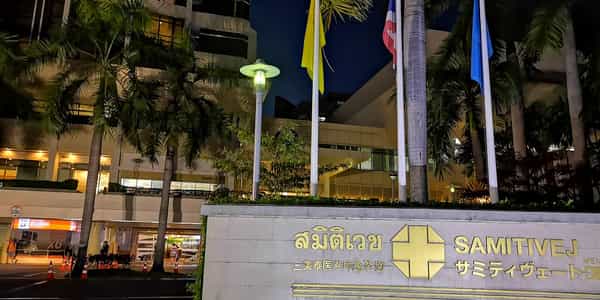
- Blood sample collection at Samitivej Hospital
- Next-generation sequencing (NGS) analysis of circulating tumor DNA
- Screening across 10 cancer types: liver, lung, breast, colorectal, stomach, pancreatic, ovarian, esophageal, endometrial, and head & neck
- Comprehensive written report with findings
- Up to 99.8% specificity and up to 78.1% sensitivity
Next-generation sequencing detection of circulating tumor DNA (ctDNA) for 10 cancer types: liver, lung, breast, colorectal, stomach, pancreatic, ovarian, esophageal, endometrial, and head/neck. Specificity up to 99.8%, sensitivity up to 78.1%. For adults 40+ and high-risk individuals. Doctor consultation separate.
About this treatment
Circulating tumor DNA (ctDNA) testing is a liquid biopsy approach that detects tiny fragments of tumor DNA circulating in the bloodstream. Unlike traditional biopsies that require tissue samples, this non-invasive blood test can identify cancer-associated genetic mutations at very early stages — often before symptoms appear or tumors are visible on imaging. The test uses next-generation sequencing (NGS) technology to analyze cell-free DNA and identify mutations linked to 10 major cancer types.
Good to know
- Technology
- Next-Generation Sequencing (NGS)
- Test Type
- Liquid biopsy (ctDNA analysis)
- Cancers Screened
- 10 types
- Specificity
- Up to 99.8%
- Sensitivity
- Up to 78.1%
- Sample Required
- Blood draw (~10 mL)
- Turnaround Time
- 10–14 business days
- Doctor Consultation
- Required separately
Who is this for?
Adults aged 40 and over, individuals with a family history of cancer, those with known genetic predispositions (e.g. BRCA mutations), people with previous cancer history wanting ongoing monitoring, and health-conscious individuals seeking proactive early detection as part of an annual screening program.
Preparation required
No fasting required. No special preparation needed before the blood draw. Continue taking any regular medications as prescribed. The blood draw itself takes approximately 5–10 minutes. Results are delivered within 10–14 business days. A separate doctor consultation is required to review results (not included in the package price).
Panel categories
Biomarkers tested
11A biomarker associated with some breast cancers; used to monitor treatment response in patients with metastatic breast cancer.
A biomarker commonly used in the diagnosis and management of pancreatic and gastrointestinal cancers. Elevated levels can also be found in other conditions such as liver disease.
Tumor marker; elevated levels may indicate certain cancers, particularly gastrointestinal cancers.
The cortisol awakening response (CAR) is a period of increased cortisol secretory activity initiated by morning awakening and typically peaking between 30 and 45min post awakening
Measures only the unbound PSA in the blood.
Imbalances in gut pH influence short-chain fatty acid production and their effects.
About the clinic
Reviews, team and credentials
Independent review links and clinic-reported team information.
5,234 clinic reviews
From independent platforms
Treatment highlights
- Blood sample collection at Samitivej Hospital
- Next-generation sequencing (NGS) analysis of circulating tumor DNA
+3 more items in What's included
Doctor consultation fee not included