

Type
Blood Testing
Duration
10 min
Results
24 hours
Sample
Blood (venous draw, fasting morning)
What's included
4 deliverables in this treatment
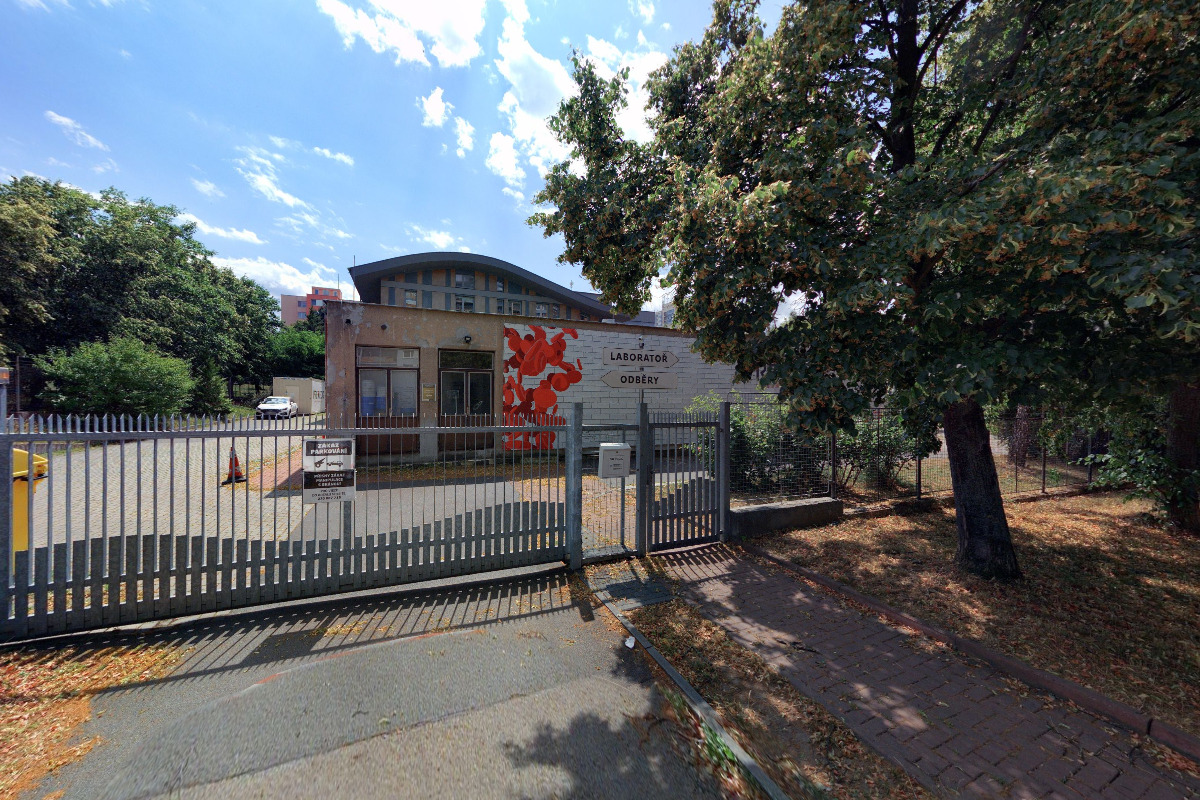
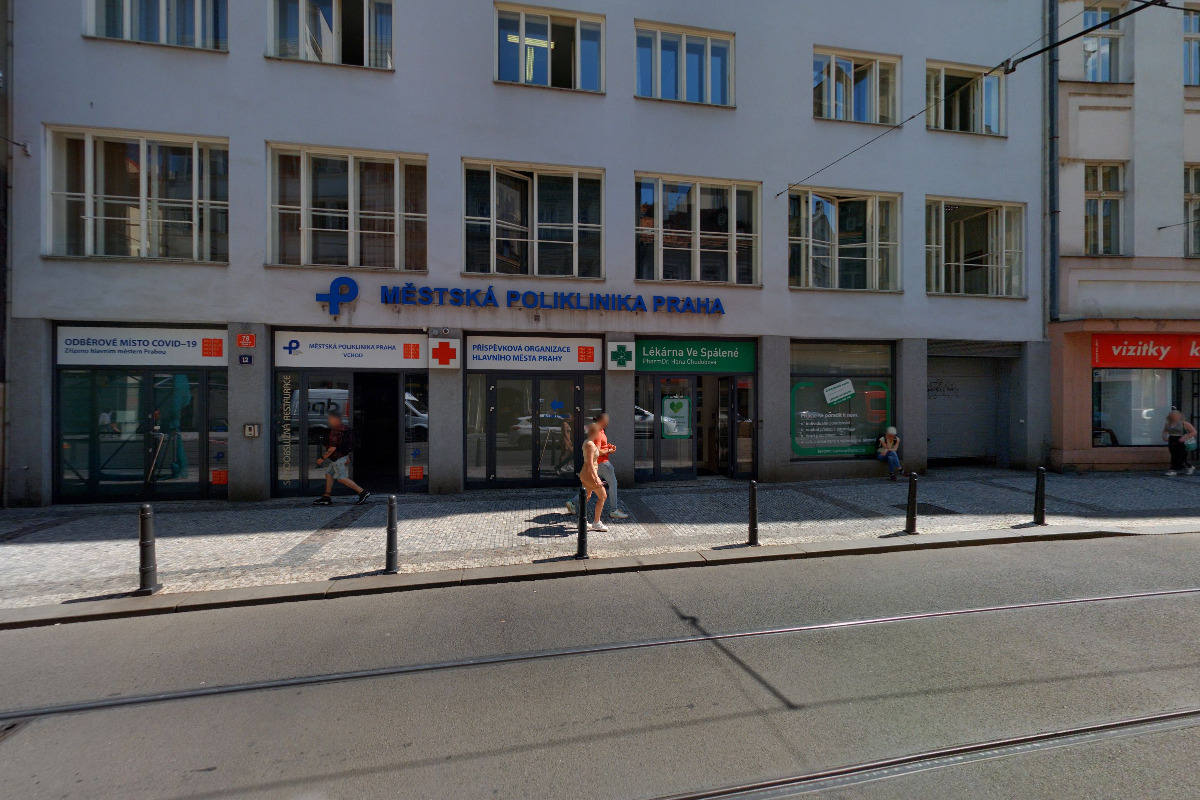
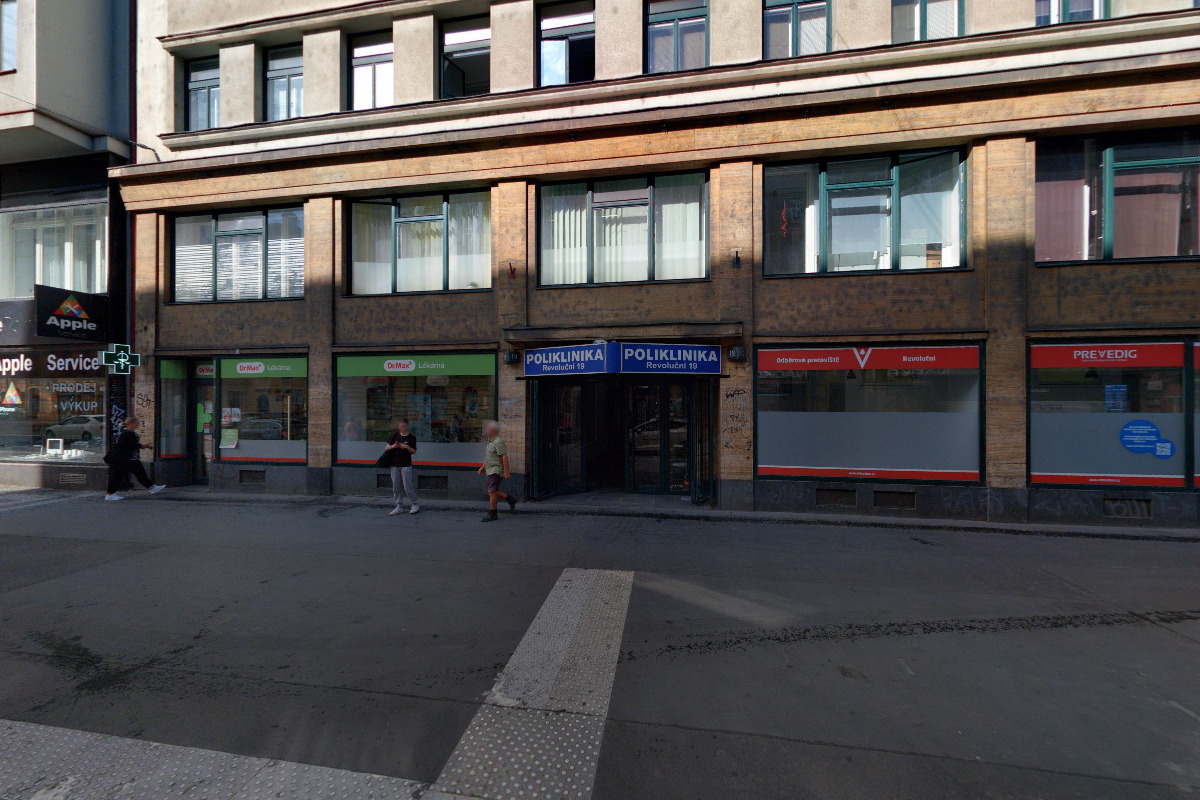
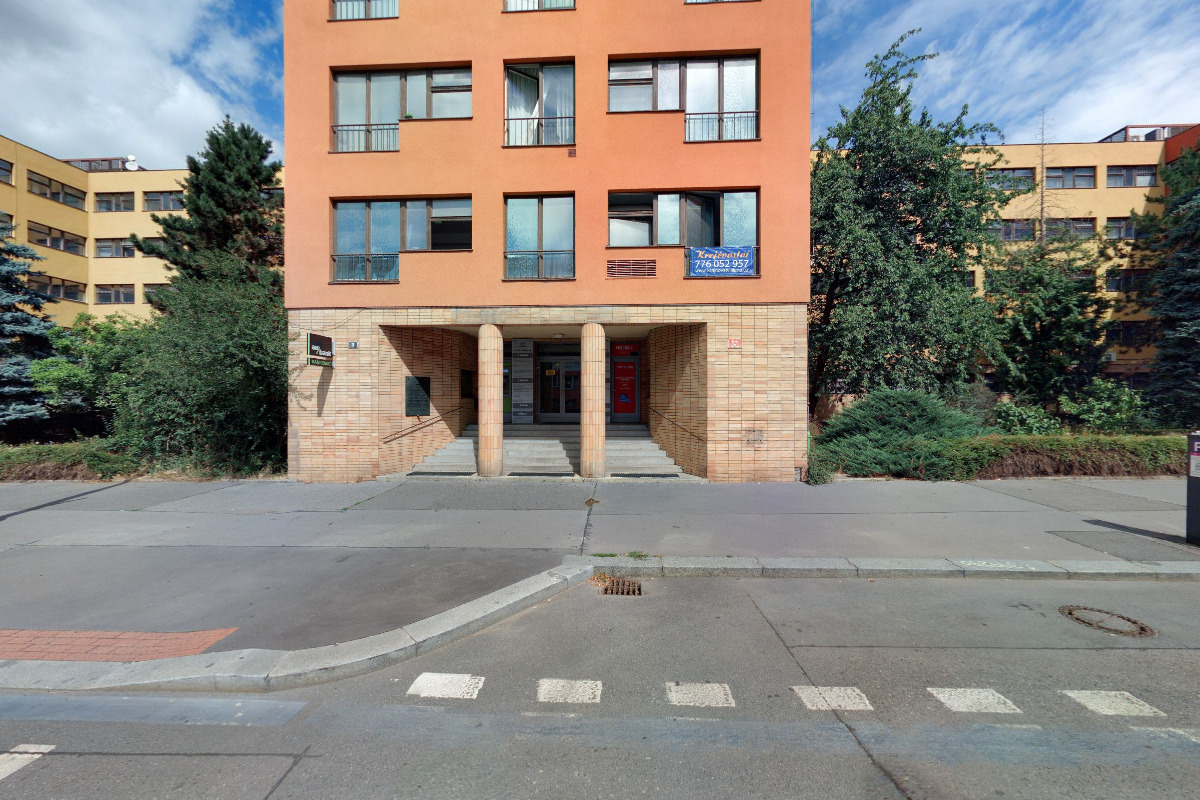
- Fasting morning venous blood draw at any PREVEDIG Prague collection site
- Seven bone metabolism markers: PTH 1-84, calcitonin, osteocalcin, bone ALP, β-CTX (Crosslaps), P1NP, 25-OH Vitamin D
- ISO 15189-accredited laboratory analysis
- Digital result delivery within 1 working day
PREVEDIG medical's Bone Metabolism Panel measures all key markers of bone turnover, calcium homeostasis, and Vitamin D status: PTH (1-84), calcitonin, osteocalcin, bone-specific alkaline phosphatase (bone ALP / osteaza), Crosslaps (β-CTX — bone resorption marker), P1NP (bone formation marker), and 25-OH Vitamin D. Together, these seven markers provide a complete metabolic bone profile — identifying osteoporosis risk, Vitamin D deficiency, hyperparathyroidism, Paget's disease, and renal osteodystrophy, and enabling quantitative monitoring of anti-resorptive treatment (bisphosphonates, denosumab) or Vitamin D supplementation. The panel includes both a formation marker (P1NP) and a resorption marker (β-CTX), enabling assessment of whether bone loss or bone gain is currently dominant — information that cannot be obtained from a DEXA scan alone. All markers are analysed at PREVEDIG's ISO 15189-accredited laboratory.
About this treatment
Bone is a dynamic tissue undergoing continuous remodelling — old bone is resorbed by osteoclasts and replaced by new bone formed by osteoblasts. This process accelerates significantly in women post-menopause and declines gradually in men from the mid-40s. PREVEDIG medical's Bone Metabolism Panel assesses the regulatory hormones, formation markers, and resorption markers that together characterise the current state of bone metabolism.
The seven markers explained
PTH 1-84 (intact parathyroid hormone)
Good to know
- Markers
- 7 (PTH, calcitonin, osteocalcin, bone ALP, β-CTX, P1NP, Vitamin D)
- Includes β-CTX
- Yes — gold-standard resorption marker for bisphosphonate monitoring
- Includes P1NP
- Yes — IOF-preferred formation marker for anabolic therapy monitoring
- Fasting required
- Yes — β-CTX is affected by food intake; morning draw essential
- Turnaround
- 1 working day
Who is this for?
Osteoporosis workup, post-menopausal bone health, bisphosphonate or denosumab treatment monitoring, Vitamin D deficiency, hyperparathyroidism, Paget's disease screening
Preparation required
Fast for at least 6 hours before the draw (water permitted). Draw must be performed in the morning for valid β-CTX measurement. Avoid strenuous exercise the morning of the draw.
About the clinic
Reviews, team and credentials
Independent review links and clinic-reported team information.
23 clinic reviews
From independent platforms
Clinical team
PREVEDIG medical's laboratory diagnostic team is led by MUDr. Veronika Fořtová and MUDr. Ivan Buzek, both specialists in clinical laboratory diagnostics (registered as Diagnosticians). The laboratory is accredited to ČSN EN ISO 15189 ed. 3:2023 — the international medical laboratory quality standard — under Certificate No. 375/2025 issued by the Czech Institute for Accreditation (ČIA). This accreditation covers…
Clinic-reported credentials
Languages: Czech
What clients say
"{"author":"Alena Gebauerová","date":"2025-01","source":"Firmy.cz","text":"I visit regularly because the nurses are experienced and helpful, and there are no crowded waiting areas like elsewhere."}"
"{"author":"Firmy.cz reviewer","date":"2024-06","source":"Firmy.cz","text":"Accessible for persons with reduced mobility. Quick service and results delivered digitally."}"
Treatment highlights
- Fasting morning venous blood draw at any PREVEDIG Prague collection site
- Seven bone metabolism markers: PTH 1-84, calcitonin, osteocalcin, bone ALP, β-CTX (Crosslaps), P1NP, 25-OH Vitamin D
+2 more items in What's included
From approx. 2,200 Kč for self-pay patients. Full price list available after registration at prevedig.cz or by phone +420 270 005 895. Insured patients with a referral pay nothing. Walk-in at all 18 Prague collection sites, no appointment needed.