


Type
Laser
Duration
1 hour
What's included
3 deliverables in this treatment
- Nanosecond laser pass with Lutronic Hollywood Spectra XT
- Dual-wavelength targeting of black and coloured inks
- Post-treatment cooling and aftercare instructions
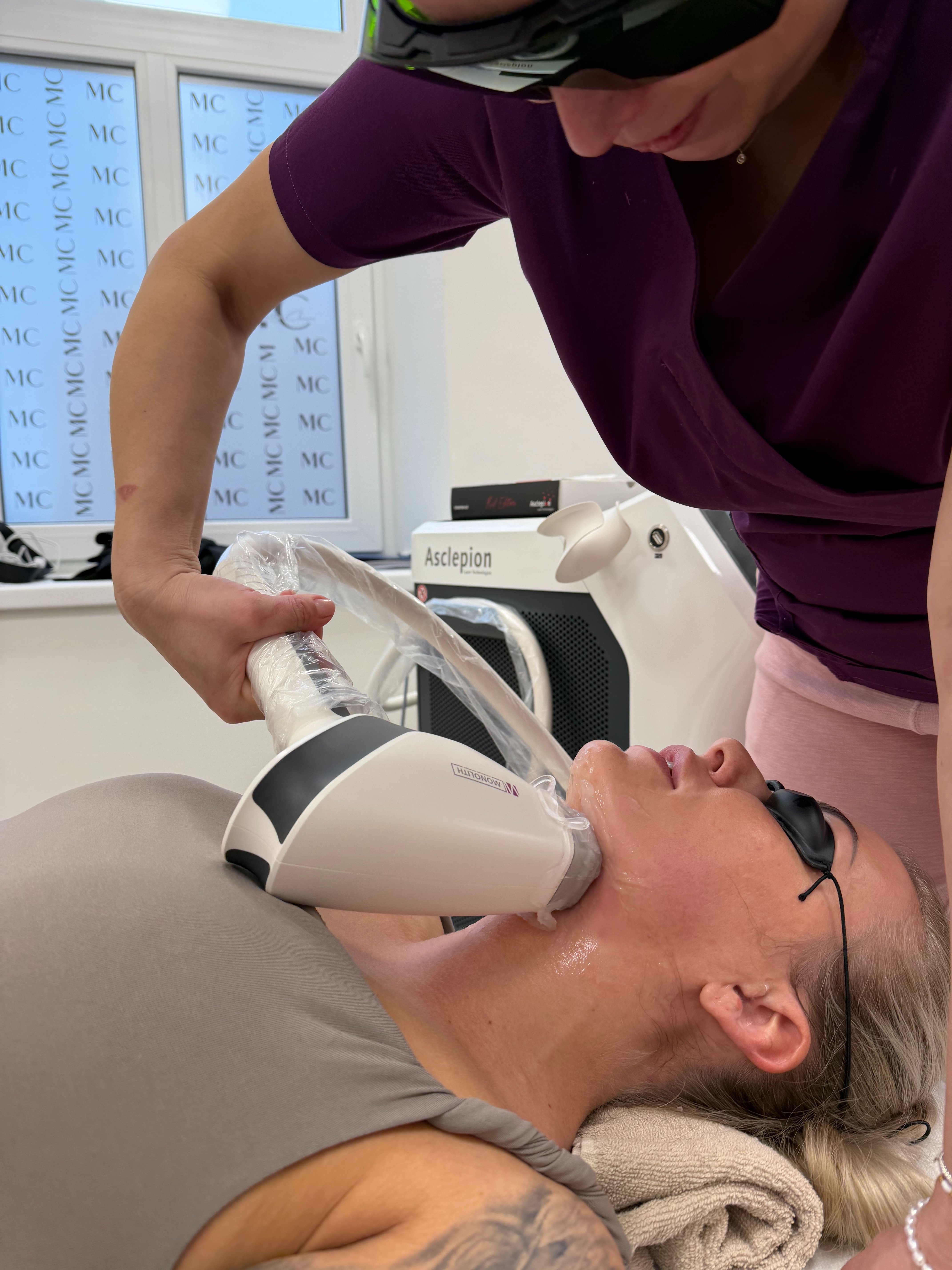
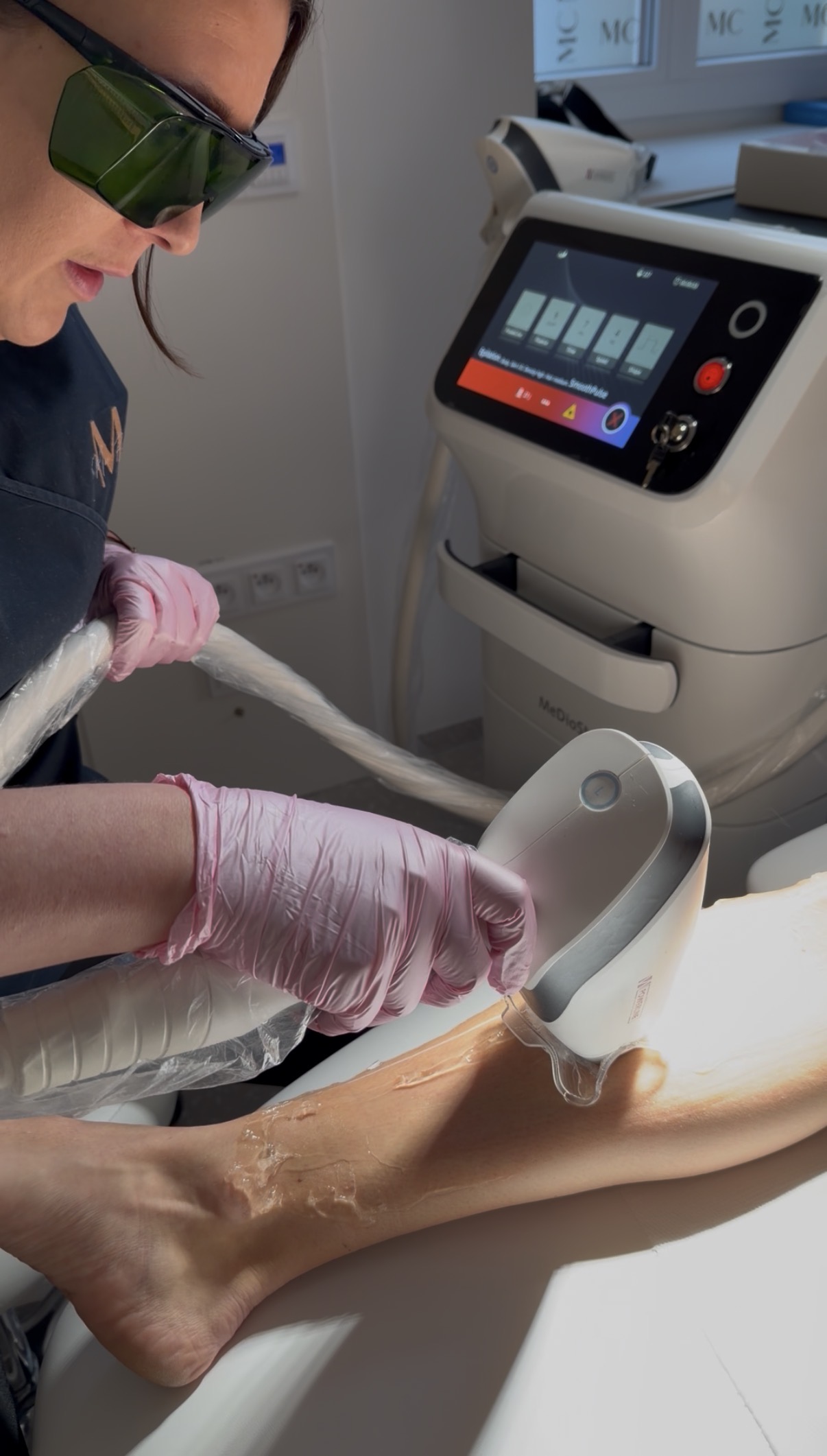
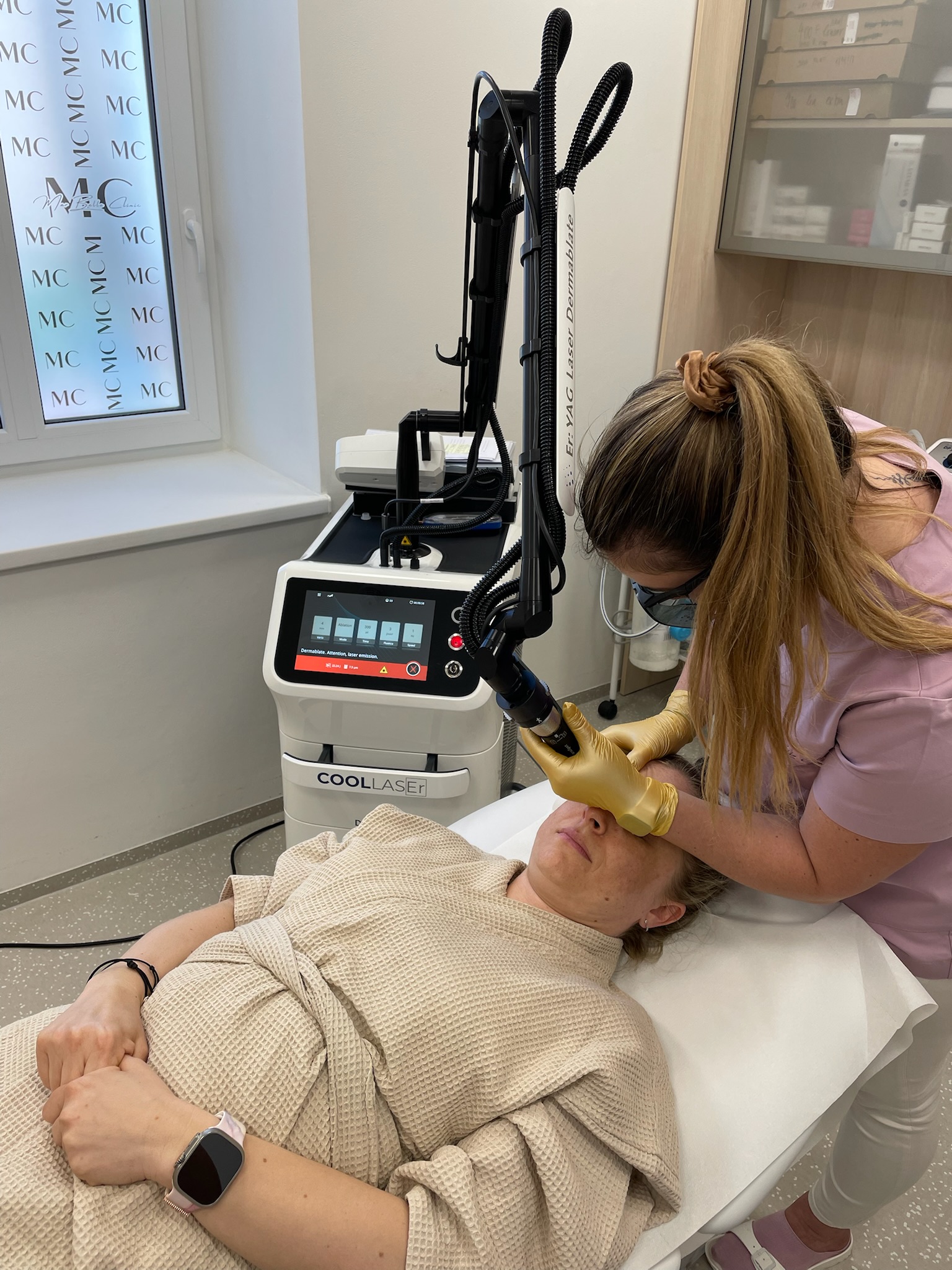
MarBelle Clinic removes tattoos of all colours using the Lutronic Hollywood Spectra XT — a nanosecond Nd:YAG laser that delivers ultra-short pulses of light energy directly absorbed by tattoo ink particles. The nanosecond pulse duration creates a photoacoustic shockwave that shatters the ink into microscopic fragments small enough to be engulfed by the immune system's phagocytic cells and cleared via the lymphatics over the following weeks. Multiple sessions are required as successive treatments address deeper ink layers. The clinic treats both black and coloured tattoos, using different wavelengths to target different ink pigments.
About this treatment
Tattoo removal is one of the most technically demanding laser applications because tattoo inks vary enormously in pigment composition, particle size, and deposition depth. MarBelle uses the Lutronic Hollywood Spectra XT, a Q-switched Nd:YAG laser, which is the reference standard for tattoo removal and is capable of operating at 1064 nm (optimal for black, dark blue, and dark green inks) and 532 nm (more effective for red, orange, and warm-toned inks).
The physics of removal rely on selective photothermolysis operating at pulse durations in the nanosecond range. At these durations, energy is deposited into the ink particle faster than it can diffuse into surrounding tissue. The rapid pressure pulse — a photoacoustic effect — fractures the ink particle rather than thermally vaporising it. The resulting fragments are typically 5–10 times smaller than the original particles, small enough to be recognised…
The number of sessions required depends on: tattoo age (older inks have often already undergone partial fading and particle size reduction); ink colour and composition; tattoo depth; the patient's skin type; and the immune system's clearing efficiency. Amateur tattoos — applied without consistent depth control using simpler inks — often clear in fewer sessions than professional work. As a general guide, most black tattoos require 6–10 sessions, while…
Good to know
- Device
- Lutronic Hollywood Spectra XT
- Ink types
- Black and colour
- Sessions needed
- 6–10+ depending on tattoo
- Session spacing
- 6–8 weeks between sessions
- Downtime
- 1–3 days mild redness/crusting
Who is this for?
Complete or partial tattoo removal — all ink colours, amateur and professional tattoos
Preparation required
Clean, intact skin in the treatment area. Avoid sun exposure to the tattoo for at least 4 weeks before treatment. Remove any topical numbing products if self-applied — the clinic will apply their own if needed.
About the clinic
Reviews, team and credentials
Independent review links and clinic-reported team information.
Clinical team
The clinic is led by Prim. MUDr. Martina Matzenauer, founder and CEO, a dermatologist who holds a primary specialisation in dermatovenerology and has developed the clinic's philosophy of psychodermatology integration — treating the connection between skin health and patient wellbeing. Plastic surgery is performed by MUDr. Pavel Xinopulos and MUDr. Richard Billich, Ph.D., both certified plastic surgeons. The clinical…
Languages: cs, en
Treatment highlights
- Nanosecond laser pass with Lutronic Hollywood Spectra XT
- Dual-wavelength targeting of black and coloured inks
+1 more item in What's included
From 2,000 Kč per session (black or colour ink). Exact price per session depends on tattoo size and colour complexity. Multiple sessions required — typical spacing is 6–8 weeks between sessions.