
Type
Laser
Duration
2 hours
What's included
3 deliverables in this treatment
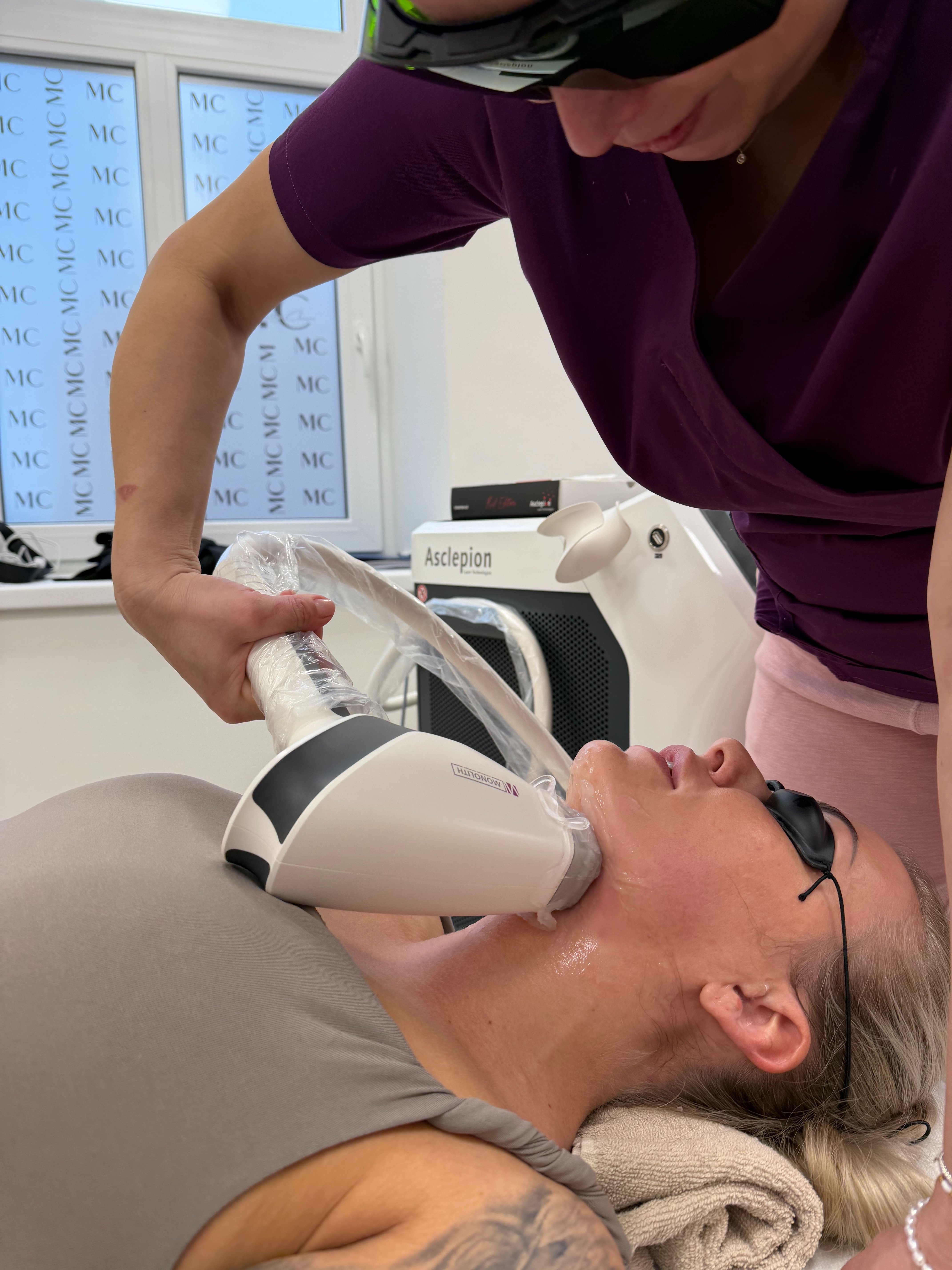
- Full-face laser pass with Lutronic Hollywood Spectra XT
- Multi-wavelength targeting of acne bacteria, redness, and post-inflammatory pigmentation
- Post-procedure soothing and observation
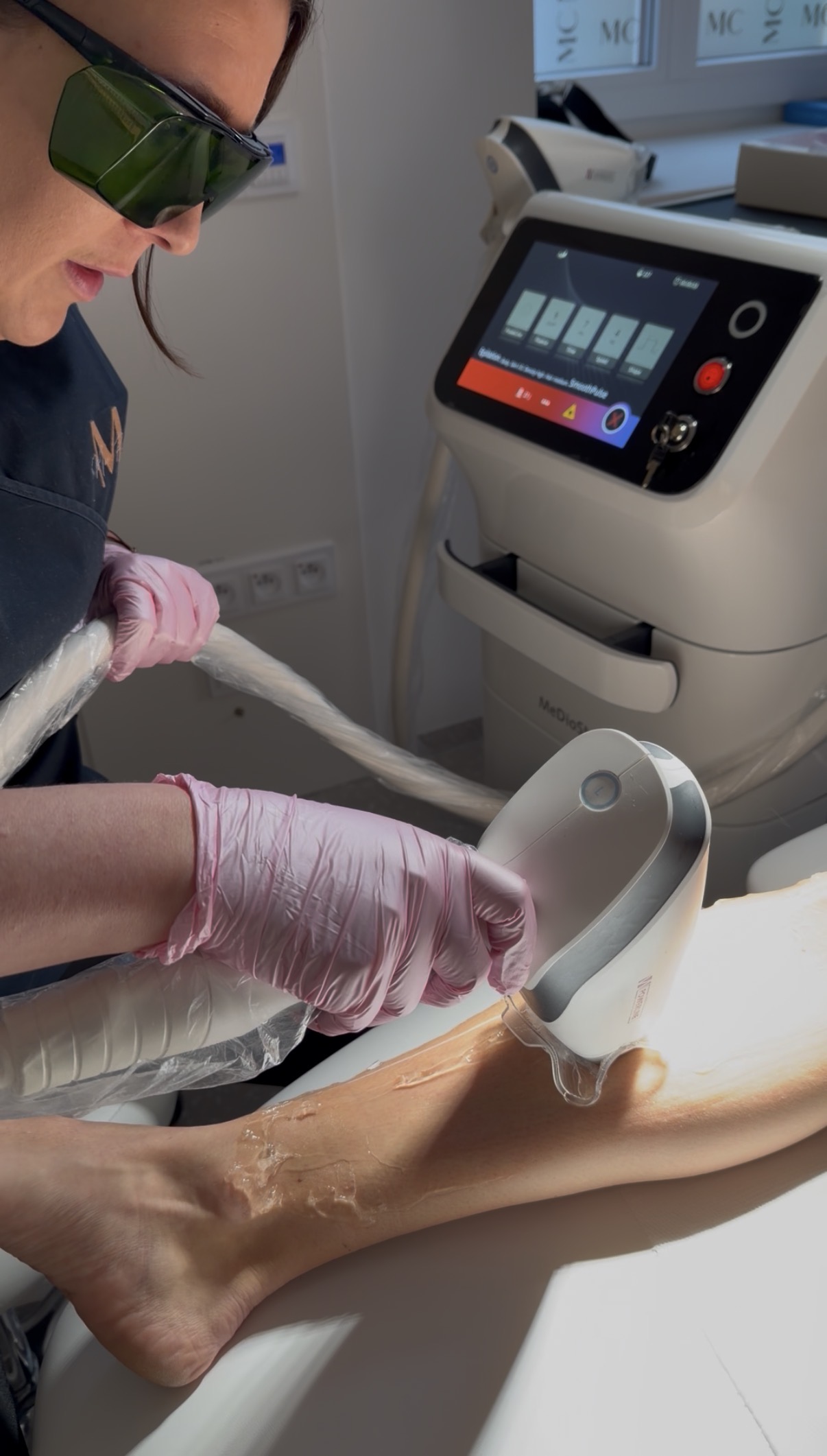
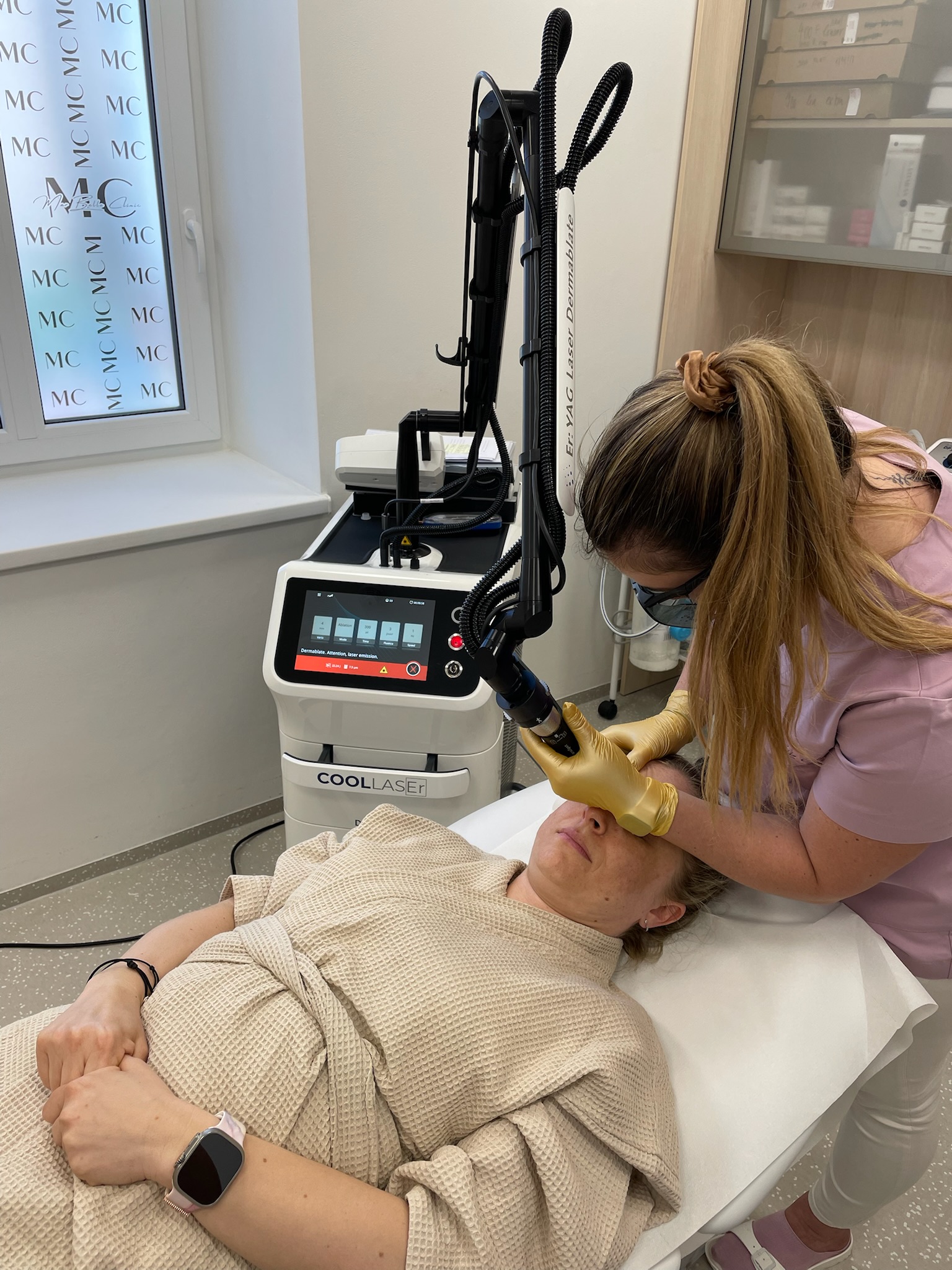
MarBelle Clinic's laser acne and rosacea treatment uses the Lutronic Hollywood Spectra XT at adjustable wavelengths to target the underlying causes of inflammatory skin conditions. At 1064 nm, the laser penetrates to the sebaceous gland level to suppress bacterial activity (Cutibacterium acnes) and reduce sebum production. At 532 nm, it addresses the superficial vascular component of rosacea and the pigmented remnants of post-inflammatory hyperpigmentation. Treatments can be performed year-round, including on tanned skin, and carry minimal risk of post-inflammatory pigmentation changes — a key concern for patients with sensitive or reactive skin.
About this treatment
Acne and rosacea are chronic inflammatory conditions that often respond poorly to topical treatments alone. Medical laser therapy using the Hollywood Spectra XT offers a mechanism-based approach: rather than suppressing the skin surface with antibiotics or drying agents, the laser targets the biological drivers of inflammation directly.
For acne, the 1064 nm wavelength — operating at nanosecond pulse durations — delivers selective photothermolysis to sebaceous glands, transiently suppressing sebum output. Simultaneously, the thermal and photoacoustic effect damages Cutibacterium acnes bacteria in the follicular canal, reducing the bacterial burden that drives inflammatory breakouts. Unlike topical antimicrobials, laser treatment does not alter the skin microbiome broadly and carries no…
For rosacea, the 532 nm channel targets oxyhaemoglobin in the dilated superficial capillaries characteristic of the condition. The laser energy is selectively absorbed by red blood cells in these vessels, causing controlled thermal coagulation. Over the following weeks, the treated vessels are reabsorbed, reducing visible redness, flushing, and the spider-vein appearance (telangiectasia) common in Fitzpatrick Type I–III patients who present with rosacea.
Good to know
- Device
- Lutronic Hollywood Spectra XT
- Targets
- Active acne, rosacea, post-inflammatory pigmentation
- Downtime
- Minimal — 1–3 hours redness
- Skin types
- Safe on all types including tanned
- Recommended course
- 4–6 sessions, 3–4 weeks apart
Who is this for?
Active inflammatory acne, rosacea with visible redness or telangiectasia, post-acne scarring and pigmentation
Preparation required
Arrive with clean skin. Avoid retinoids and exfoliants 48 hours before. Inform the physician of current medications — some photosensitising agents require a treatment pause.
About the clinic
Reviews, team and credentials
Independent review links and clinic-reported team information.
Clinical team
The clinic is led by Prim. MUDr. Martina Matzenauer, founder and CEO, a dermatologist who holds a primary specialisation in dermatovenerology and has developed the clinic's philosophy of psychodermatology integration — treating the connection between skin health and patient wellbeing. Plastic surgery is performed by MUDr. Pavel Xinopulos and MUDr. Richard Billich, Ph.D., both certified plastic surgeons. The clinical…
Languages: cs, en
Treatment highlights
- Full-face laser pass with Lutronic Hollywood Spectra XT
- Multi-wavelength targeting of acne bacteria, redness, and post-inflammatory pigmentation
+1 more item in What's included
3,000 Kč per session (booking price for acne/rosacea, 90-minute appointment). Single sessions available; series of 4–6 sessions recommended for optimal results.