

Type
Tattoo Removal
Duration
30 min
What's included
3 deliverables in this treatment
- Pre-treatment assessment of ink colours, tattoo depth, and session count estimate
- Q-switch laser session per the measured treatment area (cm²)
- Post-treatment wound care instructions and sun protection guidance
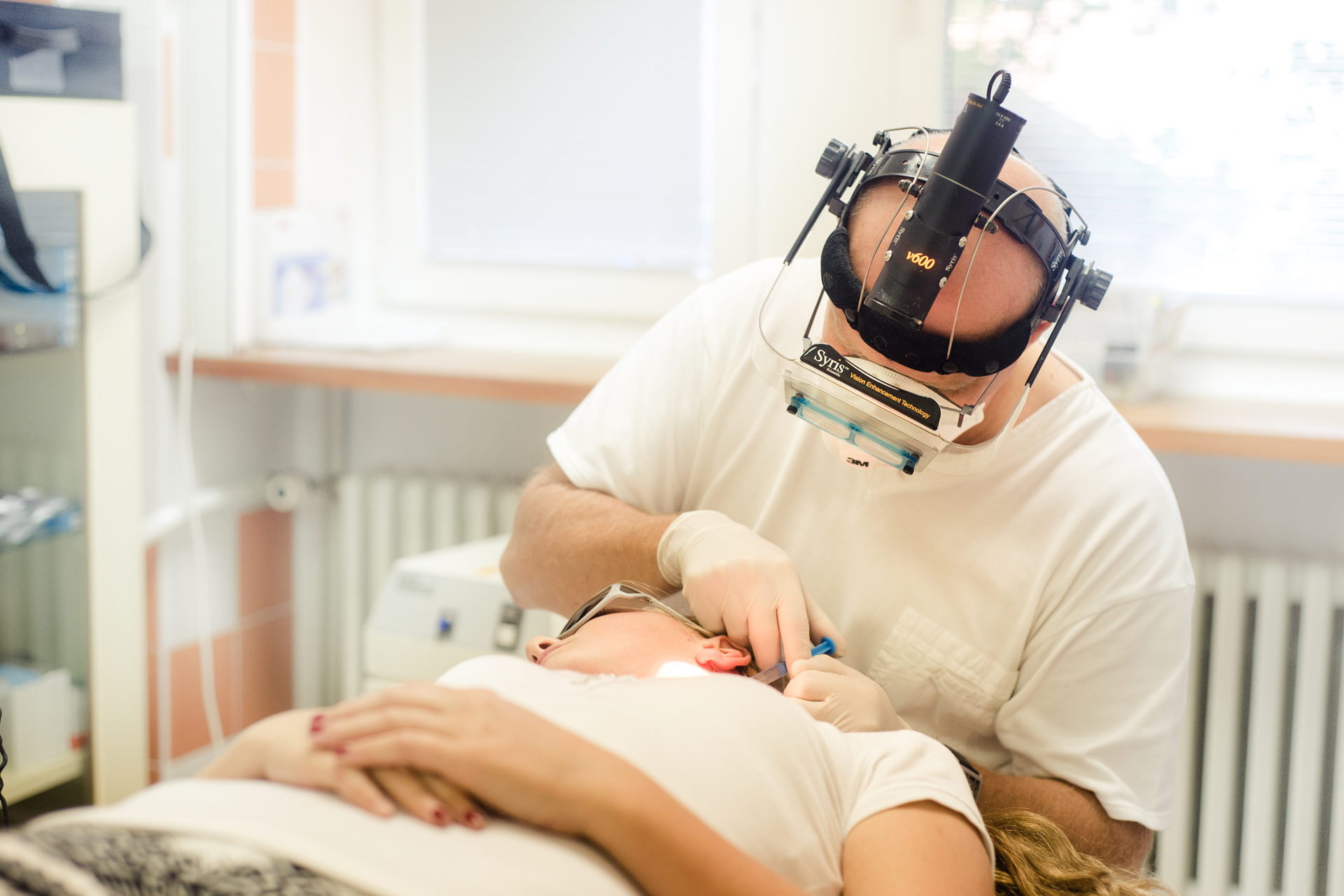
ILK removes tattoos using a Q-switched laser, which delivers ultra-short, high-peak-power pulses that shatter tattoo ink particles into fragments small enough for the immune system to clear. The Q-switch mechanism stores energy and releases it in nanosecond bursts — the brief pulse duration means the energy is absorbed by the ink before the surrounding tissue can dissipate the heat, minimising skin damage while maximising ink fragmentation. Amateur and pigment spot tattoos typically clear in 1–2 sessions; professional tattoos require 3–5 sessions at 4–6 week intervals to allow the body to clear fragmented ink between treatments. The per-cm² pricing model provides complete transparency on treatment cost relative to tattoo size.
About this treatment
Q-switched laser tattoo removal at ILK uses the photomechanical (photoacoustic) principle to fragment tattoo ink particles into sub-micron fragments that can be taken up and cleared by macrophages in the skin and regional lymph nodes. Standard tattoo inks are suspended in the dermis as aggregates of particles ranging from 1–20 microns — too large for macrophages to phagocytose, which is why tattoos are permanent. The Q-switch laser emits pulses with a…
Good to know
- Pricing
- 600 Kč per cm² per session
- Best inks
- Black, dark blue, dark brown — highly responsive
- Amateur tattoos
- 1–2 sessions; professional: 3–5 sessions
- Session interval
- 4–6 weeks
Who is this for?
Anyone wanting to remove or significantly fade a tattoo — best results on black, dark blue, and brown inks; 1–2 sessions for amateur or pigment tattoos; 3–5 sessions for professional work.
Preparation required
Avoid sun exposure on the tattoo area for 4 weeks before. Arrive with the tattoo area free of makeup or skincare products. Arrange for 1–2 weeks of wound care post-session. Avoid tanning the area throughout the full treatment course.
About the clinic
Reviews, team and credentials
Independent review links and clinic-reported team information.
Clinical team
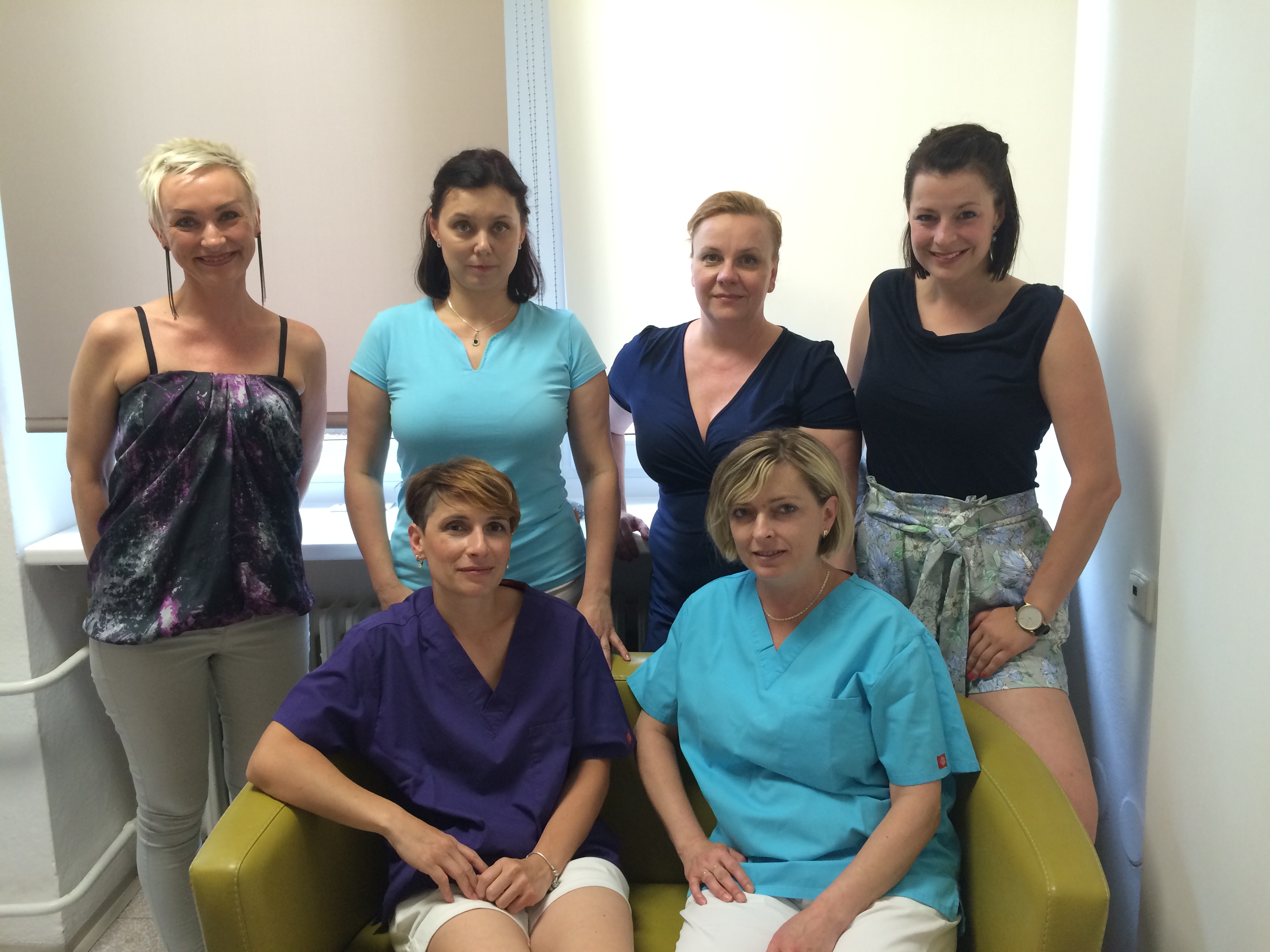
The clinic is led by MUDr. Pavel Pacák (laser skin lesion removal), prim. MUDr. Petr Pták (vascular surgeon, varicose vein procedures), prim. MUDr. Vladimír Mařík (plastic surgeon, eyelid surgery), MUDr. Pavel Kurial (plastic surgery), MUDr. Jan Kasper (plastic surgery), prof. MUDr. Jan Klozar CSc. (ENT, snoring surgery specialist), Dr. Martin Bombic (carpal tunnel surgery), and MUDr. Ondřej Míka (gynaecology). The…
Languages: Czech
Treatment highlights
- Pre-treatment assessment of ink colours, tattoo depth, and session count estimate
- Q-switch laser session per the measured treatment area (cm²)
+1 more item in What's included
600 Kč per cm² per session. Amateur or pigment tattoos: 1–2 sessions. Professional tattoos: 3–5 sessions. Sessions spaced 4–6 weeks apart. Black, blue, and brown inks respond best; yellow tones are more difficult.