


Type
IV Vitamin Therapy
Duration
45 min
What's included
4 deliverables in this treatment
- Physician eligibility check and protocol selection by MUDr. Česáková
- IV infusion of spasmolytics and magnesium administered by nurse Pavla Pohořská
- 30–60 minute supervised infusion session with muscle-relaxation monitoring
- Post-session recovery brief and activity guidance
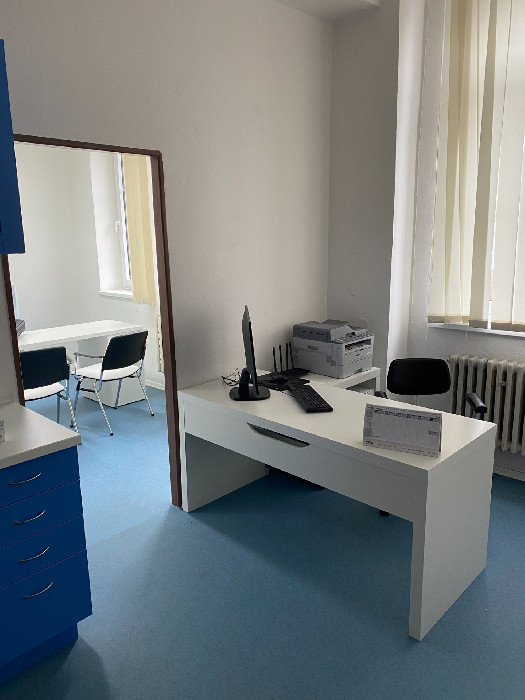
Magnesium and spasmolytic IV infusion for muscle relaxation, anti-inflammatory recovery and tissue regeneration — positioned for athletes, physically active individuals and those recovering from musculoskeletal surgery or sports injuries. Unlike the pain-management formula (which emphasises analgesics for acute pain), this preparation centres on myofascial relaxation and tissue healing: the spasmolytic compounds release chronic muscle tension, while IV magnesium accelerates the neuromuscular recovery cycle. The anti-inflammatory action makes it a practical post-training or post-competition intervention for reducing delayed-onset muscle soreness and shortening return-to-activity timelines. Administered at the 5. května infusion room, Jihlava, under GP supervision.
About this treatment
The Relaxation and Recovery infusion at HELLMAT group – Praktik Jihlava fills the gap between acute pain management and passive rest — an active biological intervention that accelerates the body's own tissue-repair mechanisms without pharmaceuticals that carry addiction potential or systemic suppression risks.
Formula and mechanisms: - Spasmolytics (skeletal muscle relaxants): Chronic muscle tension — whether from training load, poor posture, prolonged static effort or following soft-tissue injury — impairs local circulation and creates metabolic waste build-up in the muscle belly. Spasmolytic compounds administered IV act on both smooth muscle (blood vessel walls, improving perfusion) and skeletal muscle, reducing resting tone and restoring the circulation…
Who benefits: The Praktik Jihlava team positions this infusion for four overlapping patient profiles: 1. Muscle tension and chronic tightness: Desk workers, manual labourers and anyone with persistent trapezius, cervical or lumbar tension who has not found sufficient relief from physiotherapy alone. 2. Post-sport recovery: Endurance athletes (runners, cyclists, triathletes), strength athletes and recreational sportspeople seeking faster clearance of…
Good to know
- Formula
- Spasmolytics + magnesium (no analgesics)
- Primary effect
- Muscle relaxation and tissue recovery
- Duration
- 30–60 minutes
- Ideal timing
- 24–48 h post-training or post-competition
Who is this for?
Post-sport recovery, chronic muscle tension, sports injury rehab, post-operative musculoskeletal recovery
Preparation required
Hydrate well before the session. Avoid strenuous training in the 4 hours prior. Plan to rest for the remainder of the day after the infusion.
About the clinic
Reviews, team and credentials
Independent review links and clinic-reported team information.
Clinical team
Infusion therapy at the 5. května clinic is administered under the supervision of MUDr. Hedvika Česáková, the attending general practitioner, supported by nurse Pavla Pohořská. MUDr. Česáková holds a Czech specialist licence in general medicine and oversees patient eligibility, contraindication screening and the administration of each infusion. The Březinova practice is led by MUDr. Bronislav Kolář, supported by…
Languages: Czech
Treatment highlights
- Physician eligibility check and protocol selection by MUDr. Česáková
- IV infusion of spasmolytics and magnesium administered by nurse Pavla Pohořská
+2 more items in What's included
1,990 Kč per single session (30–60 min infusion). Includes spasmolytic and magnesium IV formula, medical supervision and nursing care. No multi-session package listed.