



Type
Physiotherapy
Duration
45 min
What's included
5 deliverables in this treatment
- 45-minute individually targeted physiotherapy session with PhDr. Tomáš Rychnovský Ph.D.
- First appointment: full biomechanical and functional assessment identifying root cause of dysfunction
- Manual therapy (joint mobilisation, soft tissue, trigger point) as clinically indicated
- Therapeutic exercise prescription with in-session correction and home programme
- Written session notes and progress tracking between appointments
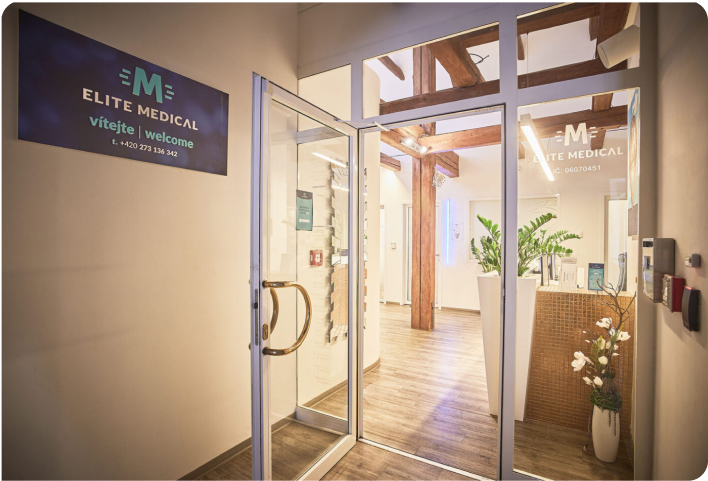
Physiotherapy at EliteMedical is led by PhDr. Tomáš Rychnovský Ph.D., a physiotherapist with over 22 years of clinical experience whose approach integrates musculoskeletal biomechanics with an understanding of the psychological and neurological dimensions of pain. Each 45-minute session is individually targeted: the first appointment assesses root causes of the patient's pain or movement dysfunction — spinal conditions, joint problems, disc herniation, post-surgical rehabilitation, or headaches — and subsequent sessions apply manual therapy, therapeutic exercise, and neuromuscular re-education techniques to address identified deficits. Unlike many physiotherapy services that focus on symptom relief, Rychnovský's approach aims to resolve the underlying biomechanical or neuromuscular cause. The service is available within the EliteMedical clinic at Poliklinika Palackého, making it straightforward to combine physiotherapy sessions with blood panels, specialist consultations, or other EliteMedical preventive programmes in a single visit.
About this treatment
Physiotherapy at EliteMedical is differentiated from standard outpatient physiotherapy by the clinical depth and integration it offers. PhDr. Tomáš Rychnovský Ph.D. holds a PhDr. degree (the Czech clinical doctorate in non-medical health professions, equivalent to a professional doctorate in physiotherapy) and a Ph.D. — two separate doctoral-level credentials reflecting both clinical expertise and research capability. His 22+ years of experience encompass…
Conditions treated
- Spinal conditions: Cervical, thoracic, and lumbar spine pain; disc herniation (cervical and lumbar); spinal stenosis; spondylolisthesis; facet joint syndrome; sacroiliac joint dysfunction; post-surgical spinal rehabilitation.
Good to know
- Physiotherapist
- PhDr. Tomáš Rychnovský Ph.D. — 22+ years experience
- Session duration
- 45 minutes
- First session
- Full biomechanical assessment and treatment planning
- Approach
- Root-cause focused — manual therapy + therapeutic exercise + neuromuscular re-education
- Integration
- Co-located with all EliteMedical specialists and blood testing
Who is this for?
Back and neck pain, disc herniation, joint pain, post-surgical rehabilitation, sports injuries, headaches, neurological rehabilitation
Preparation required
Wear or bring comfortable, loose clothing that allows access to the painful area. Bring any relevant imaging (X-ray, MRI). Arrive with a list of current medications and any relevant surgical or medical history.
About the clinic
Reviews, team and credentials
Independent review links and clinic-reported team information.
Clinical team
EliteMedical's medical team spans ten clinical specialties. General practice and internal medicine are provided by MUDr. Dagmar Buzeková and MUDr. Martin Bílek. Clinical oncology is led by Prof. MUDr. Luboš Petruželka CSc. — one of the Czech Republic's pre-eminent oncologists. Urology is headed by Prof. MUDr. Tomáš Hanuš DrSc., a leading Czech urologist with extensive academic and clinical credentials. MUDr.…
Languages: Czech, English
Treatment highlights
- 45-minute individually targeted physiotherapy session with PhDr. Tomáš Rychnovský Ph.D.
- First appointment: full biomechanical and functional assessment identifying root cause of dysfunction
+3 more items in What's included
3,500 Kč per 45-minute individual session. Pricing is for individually targeted therapy led by PhDr. Tomáš Rychnovský Ph.D. with 22+ years of clinical experience. Packages and course pricing available — contact the clinic.