
Type
Laser
Duration
30 min
What's included
5 deliverables in this treatment
- Physician assessment of lichen type, extent and prior treatment history
- XTRAC 308 nm excimer laser applied to active lesion sites
- PRP plasma therapy where indicated for tissue repair
- Tacrolimus immunomodulation protocol guidance
- Treatment plan tailored to lesion type and severity
Physician-supervised treatment of lichen ruber planus and lichen sclerosus using XTRAC 308 nm excimer laser, PRP plasma therapy and immunomodulators (tacrolimus), with avoidance of systemic corticosteroids where possible. The excimer laser suppresses the T-lymphocyte-mediated autoimmune response driving lesion activity; PRP provides growth-factor-rich healing stimulus to affected tissue; tacrolimus immunomodulation reduces surface inflammation without steroid-associated side effects. The combination is tailored to lesion type, location and severity at consultation.
About this treatment
Lichen planus and lichen sclerosus are autoimmune dermatological conditions driven by T-lymphocyte activity at the dermoepidermal junction. In lichen planus, the T-cells target basal keratinocytes, producing the characteristic violaceous, flat-topped papules on skin and erosive lesions on mucosae. In lichen sclerosus — most commonly affecting the genital skin in women and men — the T-cell-mediated inflammatory process produces progressive whitening,…
The XTRAC 308 nm excimer laser at Derma Medical Clinic delivers narrow-band UV energy to active lichen lesions, inducing apoptosis in the activated T-cells at the dermoepidermal junction — the same mechanism as in psoriasis and eczema treatment, but calibrated to the lesion depth and immunological characteristics of lichen. Published case series and observational studies report significant improvement in lichen planus skin lesions with excimer therapy,…
PRP (platelet-rich plasma) is incorporated for its growth-factor-rich healing stimulus: PDGF, TGF-beta, VEGF and EGF support tissue repair in the chronically inflamed zones and may help restore the dermoepidermal architecture disrupted by lichen sclerosus, particularly in genital areas where tissue atrophy has progressed. Tacrolimus — a topical calcineurin inhibitor — provides surface immunomodulation without the skin-atrophying effects of topical…
Good to know
- Laser
- XTRAC 308 nm — T-lymphocyte suppression at lesions
- Adjunct
- PRP for tissue repair; tacrolimus for immunomodulation
- Conditions
- Lichen ruber planus and lichen sclerosus
- Steroid avoidance
- Clinic approach avoids corticosteroids where possible
Who is this for?
Adults with lichen ruber planus (skin or mucosal) or lichen sclerosus seeking an alternative to long-term topical corticosteroid use
Preparation required
Bring all previous lichen diagnoses and treatment records. Eat normally before sessions involving PRP. Inform the physician of any immunosuppressive medications. Do not apply topical steroids to lesions in the 2 hours before laser treatment.
About the clinic
Reviews, team and credentials
Independent review links and clinic-reported team information.
Clinical team
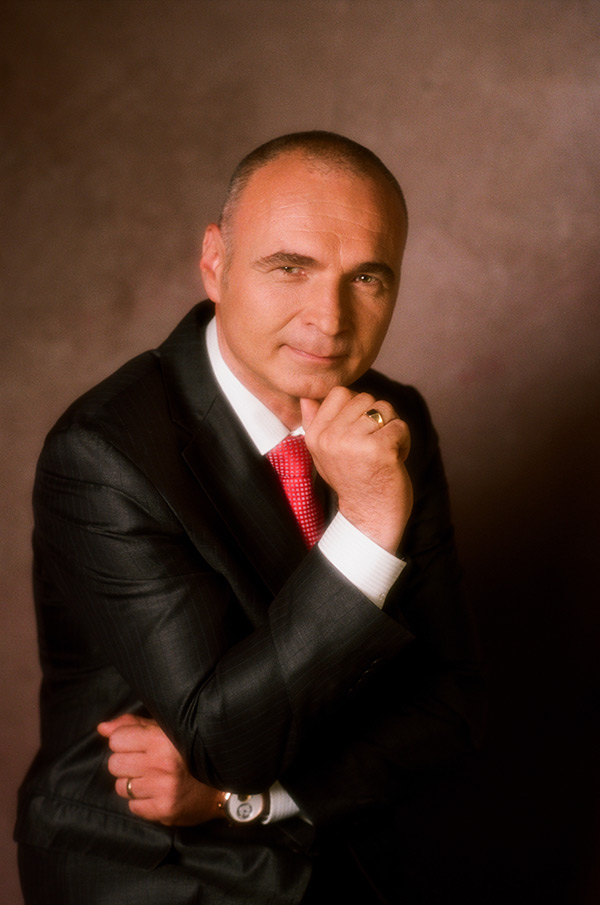
Derma Medical Clinic was founded by MUDr. Michal Sičák, a physician with a background in cardiology and pharmaceutical management spanning the Czech Republic, Saudi Arabia, the USA and Ukraine. Before opening the first clinic in 2013, MUDr. Sičák ran a company supplying aesthetic medicine technologies to clinics across the Czech Republic, Slovakia and Poland. He introduced the XTRAC excimer laser to Czech clinical…
Languages: Czech
What clients say
"The psoriasis laser treatment worked where creams had failed for years. After ten sessions my skin was clear for the first time in a decade. — Patient review via clinic press coverage, Vitalia.cz"
"The HydraFacial gave immediate results — my skin was visibly brighter straight after the first session. Very professional team. — Patient review via clinic press coverage, Blesk.cz"
Treatment highlights
- Physician assessment of lichen type, extent and prior treatment history
- XTRAC 308 nm excimer laser applied to active lesion sites
+3 more items in What's included
From approximately 3,000 Kč per session (market reference for lichen excimer laser and PRP treatment — confirm at consultation). Protocol duration and session count depend on lichen type and extent. Contact +420 702 160 684 or [email protected].