


Type
General Skin Treatment
Duration
2 hours
What's included
6 deliverables in this treatment
- Skin analysis and custom pigment matching under natural lighting
- Consultation to assess suitability (scar age, keloid history, contraindications)
- Topical local anaesthetic before the procedure
- Precision dermapigmentation at 0.3–0.5mm depth
- Post-procedure healing instructions
- 2–3 correction sessions as part of the treatment course
Skin defect camouflage at AR aesthetics uses dermapigmentation — the precision deposit of skin-matched pigment at 0.3–0.5mm depth — to visually reduce the appearance of scars, stretch marks, burn marks, vitiligo, rosacea, and post-surgical colour irregularities. Conditions addressed include surgical scars from facelifts, caesarean sections, organ transplants, and reconstructive surgery; trauma and accident scars; burn scars (where simultaneous collagen stimulation is performed alongside pigment work); pregnancy and weight-change stretch marks; and stable vitiligo patches. Pigment is custom-mixed to match the surrounding skin tone under natural lighting conditions. Two to three correction sessions are standard; corrections within 3 months are priced at 50% of the initial procedure. The scar must be fully healed — at least one year old — before camouflage is appropriate.
About this treatment
Skin defect camouflage by dermapigmentation is the cosmetic technique of depositing custom skin-coloured pigment into a depigmented or discoloured area to visually reduce its contrast with the surrounding healthy skin. When expertly colour-matched and layered, the result is not a tattoo-like cover-up but a naturalistic blending of the defect into its surroundings — reducing the social and emotional visibility of conditions that conventional makeup cannot…
At AR aesthetics, this work is performed using micro-needles that deposit pigment at a precise depth of 0.3–0.5mm into the epidermis and papillary dermis. This depth is calculated to reach the viable skin layer where pigment will anchor, without going deep enough to trigger the rejection or migration that degrades standard tattoo ink on scar tissue. All pigments are German-certified and individually mixed to match the client's surrounding skin tone in…
Surgical scars — including facelift donor scars, caesarean section incision marks, abdominal surgery or organ transplant scars, and reconstructive surgery marks — are among the most frequently treated conditions. The camouflage procedure fills the hypopigmented scar tissue with a colour that matches the surrounding skin, reducing the contrast that makes scars visible at a glance. Trauma and accident scars follow the same principle.
Good to know
- Pigment depth
- 0.3–0.5mm (epidermis/papillary dermis)
- Conditions treated
- Scars, stretch marks, burns, vitiligo, rosacea
- Scar age requirement
- Minimum 1 year fully healed
- Burn scars
- Dual effect: pigment + collagen stimulation
- Corrections
- 2–3 sessions; within 3 months at 50% price
Who is this for?
Surgical scars (facelift, C-section, transplant), trauma scars, burn scars, stretch marks, stable vitiligo, post-surgical pigmentation irregularities
Preparation required
Ensure the scar or defect is at least 1 year old and fully healed. Disclose any keloid tendency at consultation. No blood-thinning medications 10 days before the procedure.
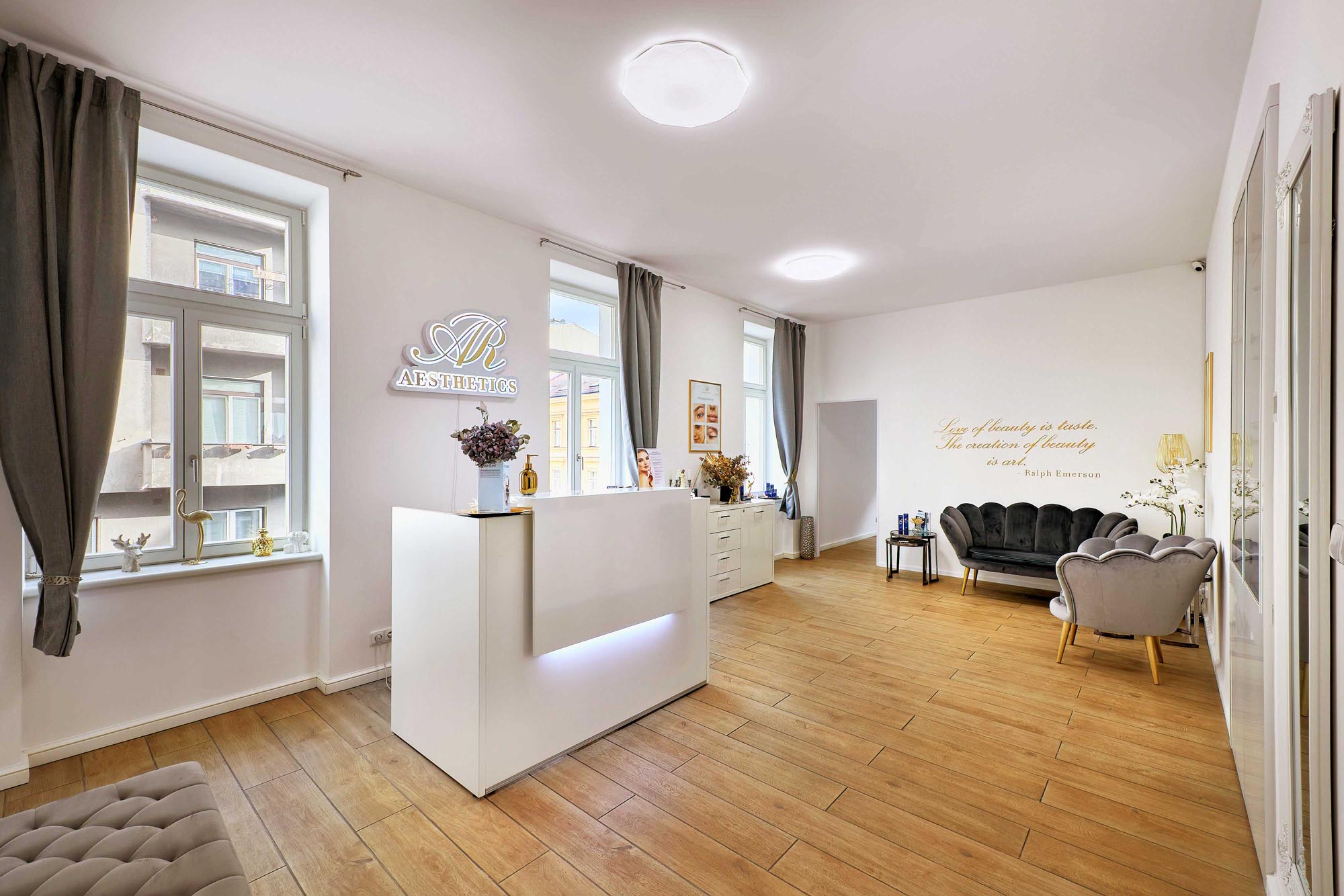
About the clinic
Reviews, team and credentials
Independent review links and clinic-reported team information.
488 clinic reviews
From independent platforms
Clinical team
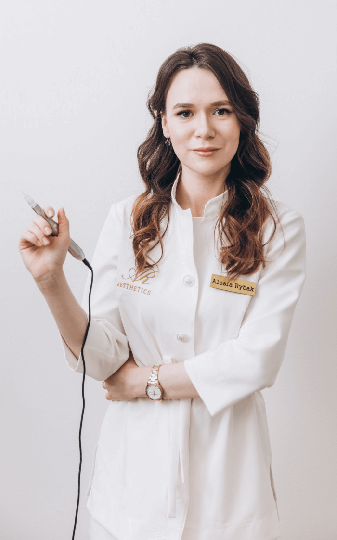
Alesia Rybak is the founder and lead permanent makeup specialist at AR aesthetics, holding MŠMT (Czech Ministry of Education) accreditation as a PMU trainer and EUROPASS international certification. With over 13 years of micropigmentation experience and 800+ trichopigmentation clients alone, she is also an industry educator. Angelina is a PMU specialist trained directly by Alesia, focusing on powder brows and lip…
Languages: cs, en, de, ru, sk, pl
What clients say
"{"author":"Altegio client","text":"I had lip blush done by Angelina. The colour she chose suits my skin tone perfectly. I was nervous but the numbing cream worked well and it was much more comfortable than I expected.","source":"altegio"}"
"{"author":"Altegio client","text":"Absolutely thrilled with my nano brows. Alesia took the time to design the perfect shape for my face and the result looks completely natural. The healing process was exactly as she described — no surprises.","source":"altegio"}"
Treatment highlights
- Skin analysis and custom pigment matching under natural lighting
- Consultation to assess suitability (scar age, keloid history, contraindications)
+4 more items in What's included
Scar and skin defect camouflage: 4,000–17,000 Kč depending on the size and complexity of the area. Vitiligo: 7,000 Kč per hour of treatment. Corrections within 0–3 months: 50% of the main procedure price. Scars must be fully healed (at least 1 year old) before camouflage can begin. 2–3 correction sessions are standard.