


Type
Dental Implants
Duration
2 hours
What's included
4 deliverables in this treatment
- Initial consultation and CBCT 3D X-ray for treatment planning
- Microsurgical implant placement under local anaesthesia (analgosedation available)
- Osseointegration monitoring and temporary crown provision
- Final implant-supported crown fitting (ceramic or zirconia)
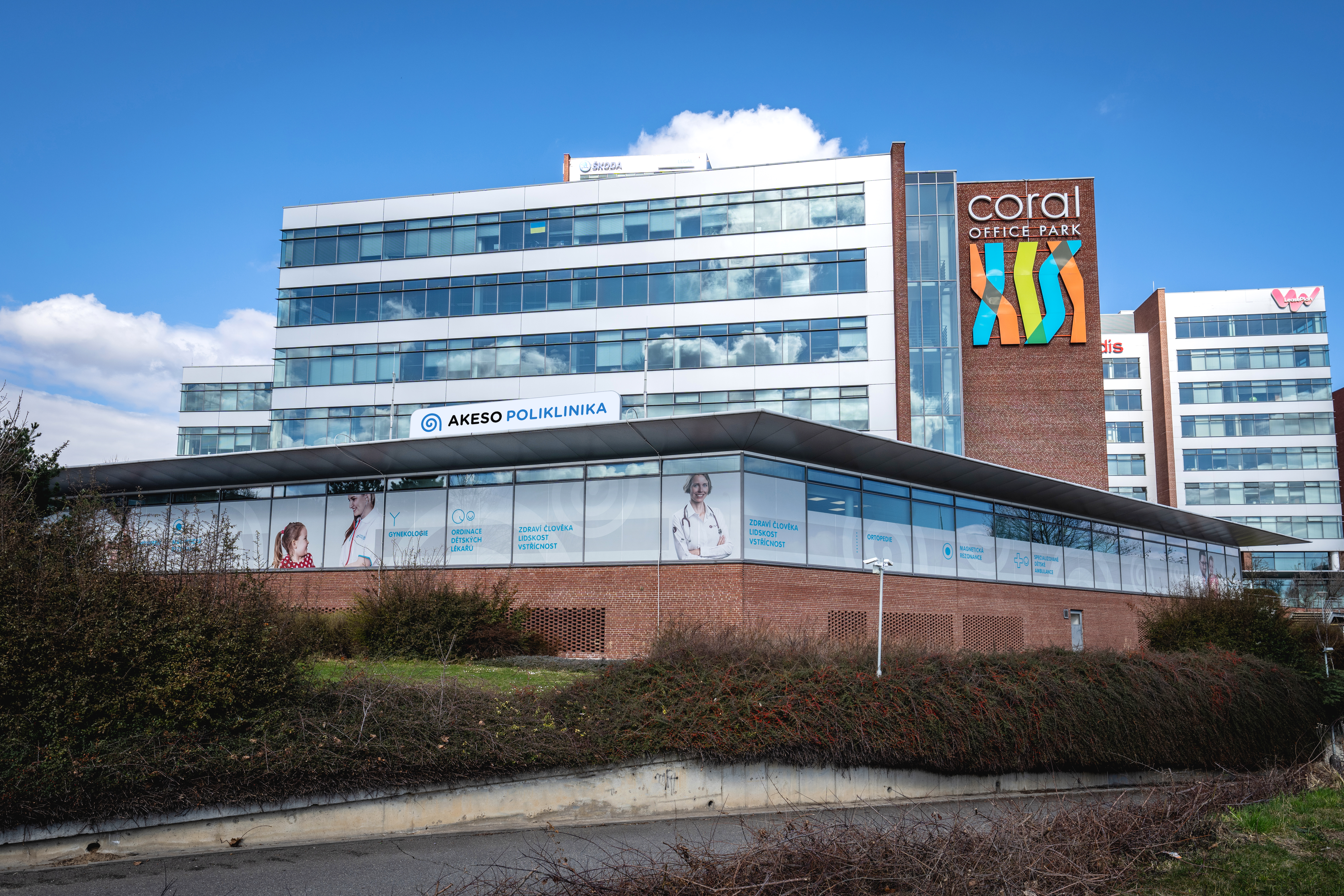
AKESO POLIKLINIKA's dental implantology department offers full-service tooth replacement using ITS and URIS implant systems, supported by a dedicated CBCT 3D X-ray suite, operating microscope, and microsurgical instrumentation. Unlike a bridge — which requires grinding down adjacent healthy teeth — an implant integrates directly with the jawbone, preserving natural tooth structure and supporting long-term bone density. Consultations are available Monday to Friday; surgery is performed in the clinic's operative suite. Analgosedation (conscious sedation) is available for anxious patients. Call +420 272 772 772 for pricing.
About this treatment
Dental implantology at AKESO POLIKLINIKA provides a complete tooth replacement pathway from initial imaging through to final crown fitting, all within a single facility. The department uses ITS and URIS implant systems — established European-certified fixtures with a documented long-term osseointegration record — alongside a dedicated CBCT 3D X-ray system, operating microscope, intraoral scanner, and microsurgical instruments.
Why implants over bridges or dentures
A conventional dental bridge replaces a missing tooth by crowning the two adjacent teeth and suspending a false tooth between them. This requires permanently grinding down otherwise healthy tooth structure. An implant, by contrast, is placed directly into the jawbone as a titanium root substitute. Once integrated (osseointegrated), the implant supports a single crown without touching neighbouring teeth. Implants also transmit chewing forces into the…
Good to know
- Implant brands
- ITS and URIS systems
- Imaging
- CBCT 3D X-ray + operating microscope
- Anaesthesia
- Local; analgosedation available
- Contact
- +420 272 772 772
Who is this for?
Adults with one or more missing teeth seeking a permanent, bone-preserving tooth replacement that does not require grinding adjacent healthy teeth.
Preparation required
Attend an initial consultation to assess bone volume and overall dental health. Inform the surgeon of any medications (especially bisphosphonates, blood thinners), systemic conditions (diabetes, osteoporosis), or smoking status. Do not eat for 4 hours before a session involving analgosedation.
About the clinic
Reviews, team and credentials
Independent review links and clinic-reported team information.
Clinical team
AKESO POLIKLINIKA employs over 50 specialist physicians across its departments. The aesthetic medicine division is led by MUDr. Arina Yudina, a physician specialising in aesthetic dermatology and psychiatry. The dental implantology and oral surgery department is headed by MUDr. Vladimír Machoň, a qualified maxillofacial surgeon. Orthodontics are overseen by MDDr. Sandra Hlinovská. Periodontal care is led by MDDr.…
Languages: Czech, English
What clients say
"{"author":"Eliška Macinková","text":"After two and a half years seeking help from seven doctors without answers, this physician changed everything through expertise combined with empathy.","source":"AKESO Dermatologie patient review"}"
"{"author":"Lucie Krotká","text":"Pleasant staff, professional approach. The doctor conducted a thorough examination with a clear explanation.","source":"AKESO Dermatologie patient review"}"
Pricing not published. Sign in to share what you paid.
Treatment highlights
- Initial consultation and CBCT 3D X-ray for treatment planning
- Microsurgical implant placement under local anaesthesia (analgosedation available)
+2 more items in What's included
Price on request — call +420 272 772 772 or email [email protected] for a personalised quote. Cost covers consultation, 3D CBCT imaging, implant placement, and crown fitting. ITS and URIS implant systems used. Analgosedation available by arrangement.